Adaptive Cycling Technology for Riders with Disabilities
There’s a moment—maybe you’ve felt it—when the wheels start turning, the wind hits your face, and the world shrinks down to just you and the road. For decades, that feeling was locked away for many people with disabilities. Not anymore. Adaptive cycling technology has exploded in recent years, turning what used to be a niche corner of engineering into a genuine movement. And honestly? It’s about time.
Whether you’re a rider yourself, a caregiver, a therapist, or just curious about how bikes get built for different bodies, this deep dive will walk you through the tech, the trends, and the real-world trade-offs. Let’s dive in.
What Exactly Is Adaptive Cycling?
Adaptive cycling refers to bicycles, tricycles, handcycles, and recumbent bikes modified or designed from the ground up for riders with physical, cognitive, or neurological disabilities. Think of it less as “a bike with extras” and more as a custom-fit machine—like a prosthetic limb, but with pedals (or hand cranks).
The goal isn’t just mobility. It’s freedom, fitness, and that sneaky little dopamine hit you get from coasting downhill. In fact, studies show adaptive cycling can improve cardiovascular health, reduce spasticity in conditions like cerebral palsy, and boost mental well-being in ways that stationary therapy often can’t touch.
The Core Technologies Driving Change
Here’s the deal: adaptive cycling isn’t one invention. It’s a cluster of innovations working together. Let’s break down the big ones.
1. Handcycles and Arm-Powered Systems
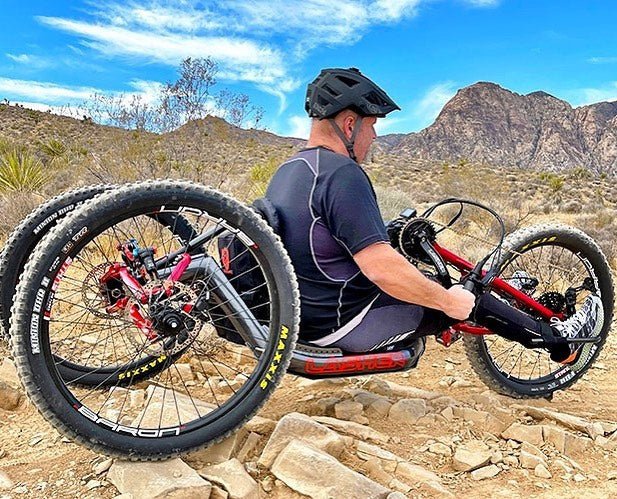
For riders with lower-limb impairments—paraplegia, amputations, severe arthritis—handcycles replace foot pedals with hand cranks. Modern versions use lightweight aluminum or carbon fiber frames, adjustable crank lengths, and even electronic gear shifting. Some models let you switch between “lean-to-steer” and “crank-to-steer” modes, which is a fancy way of saying you can drive it like a go-kart or a traditional bike.
2. Recumbent and Semi-Recumbent Designs
Recumbents put the rider in a reclined, chair-like position. That’s a game-changer for people with balance issues, spinal cord injuries, or chronic back pain. Semi-recumbents are a middle ground—more upright than a full recumbent, but still easier on the spine than a standard diamond-frame bike.
3. Trikes and Quad Cycles
Two wheels are tippy. Three or four? Much more stable. Adaptive trikes come in delta (two rear wheels, one front) and tadpole (two front, one rear) configurations. Quad cycles add a fourth wheel for riders with severe balance or coordination challenges. Sure, they’re heavier—but you know what? Stability beats speed when you’re just starting out.
4. Electric Assist (E-Assist) and Smart Controls
This is where things get spicy. E-assist systems add a motor that kicks in when you pedal or crank. For riders with fatigue-related conditions (MS, chronic fatigue syndrome, long COVID), that motor isn’t cheating—it’s access. You still get the workout, just without the crash-and-burn afterward.
Smart controls now include:
- Regenerative braking (recharges the battery on downhills)
- Bluetooth-enabled apps for tuning assist levels
- Voice or switch-based controls for riders with limited hand function
- GPS and fall detection for solo riders
Key Components That Make or Break the Ride
You can have the fanciest frame in the world, but if the contact points don’t work, the ride sucks. Here’s what adaptive cyclists and their therapists obsess over:
| Component | Why It Matters | Common Adaptive Options |
|---|---|---|
| Seat/Posture Support | Prevents pressure sores, improves breathing | Custom molded seats, lateral supports, headrests |
| Pedal Systems | Keeps feet secure, compensates for asymmetry | Heel slings, magnetic pedals, leg braces, footplates |
| Gearing | Makes hills possible with low strength | Internal hubs, wide-range cassettes, electronic shifters |
| Braking | One-handed or no-hand control | Linked brakes, thumb levers, regenerative braking |
| Steering | Accommodates limited range of motion | Joystick steering, tiller bars, adaptive grips |
Honestly, the seat alone can cost more than a decent used car. But for someone who spends hours in that saddle, it’s not a luxury—it’s medical equipment that happens to roll.
Trends Shaping the Next Five Years
Adaptive cycling tech is moving fast. Here are the currents I’m watching:
- 3D-printed custom parts. Instead of waiting weeks for a molded seat, clinics can now scan, print, and fit within days. Cost is dropping, too.
- AI-powered bike fitting. Sensors on the bike track your pedal stroke, pressure distribution, and fatigue. The system then suggests adjustments—no guesswork.
- Modular, convertible frames. One bike that switches from handcycle to foot-pedal trike? Yes, please. This matters for progressive conditions where needs change over time.
- Subscription and rental models. Not everyone can drop $8,000 on a recumbent trike. Monthly rental programs are popping up in cities like Portland, Denver, and Toronto.
- Inclusive racing leagues. Paralympic cycling gets the spotlight, but local adaptive crits and gravel rides are growing. Tech follows demand.
Real Pain Points (and How to Work Around Them)
Let’s not pretend everything’s perfect. Adaptive cycling still has friction. Big friction.
Cost. A basic handcycle starts around $2,000. A fully loaded e-assist recumbent trike? Easily $10,000–$15,000. Insurance sometimes covers it as durable medical equipment, but “sometimes” is doing a lot of heavy lifting there.
Weight. Adaptive bikes are heavier than standard bikes. That’s physics—more wheels, more frame, more motor. Lifting one onto a car rack can be a two-person job. Folding designs and hitch-mounted ramps help, but they add cost.
Repair knowledge. Your local bike shop might not know how to fix a handcycle’s crank assembly. That means shipping the bike back to the manufacturer or finding a specialty shop. Wait times can stretch into weeks.
Trail and infrastructure gaps. A 300-pound trike doesn’t fit through a standard bike gate. Curbs, narrow paths, and lack of accessible parking at trailheads are daily annoyances. That said… cities are slowly catching on. Protected lanes and wider paths are becoming more common.
What to Look for If You’re Buying
First rule: don’t buy online without a test ride. Seriously. Fit is everything. Here’s a quick checklist:
- Get a professional assessment from a physical or occupational therapist who knows adaptive cycling.
- Try at least three models. Handcycle, recumbent trike, and e-assist trike—feel the difference.
- Check the return policy. Custom seats and crank lengths often mean no returns. Ask upfront.
- Factor in transport. Will it fit your car? Do you need a ramp or hitch rack?
- Look for local support. Is there a dealer within 50 miles? A riding group? Online forums are great, but hands-on help is better.
The Human Side of the Tech
You can read specs all day. But the real story is in the quiet moments. A father with MS riding alongside his daughter for the first time in a decade. A teenager with cerebral palsy crossing a finish line while her friends scream from the sidelines. A veteran with a spinal cord injury using a handcycle to commute to work—not for therapy, just because it’s faster than the bus.
That’s what adaptive cycling technology really does. It doesn’t “fix” anyone. It just removes a barrier that never should have been there in the first place.
And sure, the engineering is impressive—carbon fiber this, regenerative braking that. But the best tech is the kind you forget about. You just ride.