EV Conversion Parts Sourcing for Classic Car Restorations
A basic EV conversion can cost anywhere from $8,000 to $30,000 in parts alone. The range is wide because… well, it depends. Motor choice, battery size, whether you go salvage or new, and how much you can fabricate yourself.
Right now, two trends are shaping sourcing:
- Modular battery packs — easier to fit into odd classic car shapes
- Open-source controllers — cheaper, hackable, community-supported
And of course, the used EV market is growing. More wrecks mean more salvage parts. That’s good news for restorers.
Final Thoughts on the Hunt
Sourcing EV conversion parts for a classic car isn’t a straight line. It’s a scavenger hunt with moments of frustration and, occasionally, pure joy when you find that one component you thought didn’t exist.
The classics deserve to keep running. And if that means swapping a carburetor for a controller, well… that’s just the next chapter. The parts are out there. You just have to know where to look — and be willing to ask.
Budgeting Realities and Current Trends
A basic EV conversion can cost anywhere from $8,000 to $30,000 in parts alone. The range is wide because… well, it depends. Motor choice, battery size, whether you go salvage or new, and how much you can fabricate yourself.
Right now, two trends are shaping sourcing:
- Modular battery packs — easier to fit into odd classic car shapes
- Open-source controllers — cheaper, hackable, community-supported
And of course, the used EV market is growing. More wrecks mean more salvage parts. That’s good news for restorers.
Final Thoughts on the Hunt
Sourcing EV conversion parts for a classic car isn’t a straight line. It’s a scavenger hunt with moments of frustration and, occasionally, pure joy when you find that one component you thought didn’t exist.
The classics deserve to keep running. And if that means swapping a carburetor for a controller, well… that’s just the next chapter. The parts are out there. You just have to know where to look — and be willing to ask.
Budgeting Realities and Current Trends
A basic EV conversion can cost anywhere from $8,000 to $30,000 in parts alone. The range is wide because… well, it depends. Motor choice, battery size, whether you go salvage or new, and how much you can fabricate yourself.
Right now, two trends are shaping sourcing:
- Modular battery packs — easier to fit into odd classic car shapes
- Open-source controllers — cheaper, hackable, community-supported
And of course, the used EV market is growing. More wrecks mean more salvage parts. That’s good news for restorers.
Final Thoughts on the Hunt
Sourcing EV conversion parts for a classic car isn’t a straight line. It’s a scavenger hunt with moments of frustration and, occasionally, pure joy when you find that one component you thought didn’t exist.
The classics deserve to keep running. And if that means swapping a carburetor for a controller, well… that’s just the next chapter. The parts are out there. You just have to know where to look — and be willing to ask.
This is where classic car restorations get… fiddly. An electric motor doesn’t just bolt up to a 1965 transmission. You need an adapter plate and a coupler. And unless you’re lucky enough to find a pre-made kit for your specific model, you’re looking at custom fabrication.
Some suppliers offer universal adapters. Others specialize in common transmission patterns — Chevy SBC, Ford Toploader, etc. If you’re handy with a mill and a lathe, you can make your own. If not, expect to pay a machinist a few hundred bucks.
And hey, don’t forget the flywheel. Sometimes you need a custom one. Sometimes you can reuse the original. It depends on the motor and transmission combo.
Wiring and Safety: The Unglamorous Essentials
Nobody gets excited about contactors and fuses. But skip them and you’re building a rolling fire hazard.
High-voltage wiring isn’t something you grab at Home Depot. You need proper gauge, proper insulation, and proper connectors. Sources include:
- EV conversion specialty shops (again)
- Industrial electrical suppliers
- Salvaged EV harnesses (carefully inspected)
- Online distributors like Digi-Key or Mouser for components
Fuses, contactors, and battery management systems (BMS) are non-negotiable. A good BMS alone can cost $500 to $1,500. But it’s the difference between a safe conversion and a news story you don’t want to be in.
Online Communities: Your Secret Weapon
Honestly, the best sourcing advice often comes from forums, not suppliers. Places like DIY Electric Car, Reddit’s r/EVConversion, and various Facebook groups are goldmines of real-world experience.
You’ll find people who’ve already made the mistakes you’re about to make. They’ll tell you which adapter plate fits, which battery modules are junk, and which supplier ships fast. And sometimes they’ll sell you spare parts from their own projects.
Lurk first. Search before asking. Then contribute. That’s the unwritten rule.
Budgeting Realities and Current Trends
A basic EV conversion can cost anywhere from $8,000 to $30,000 in parts alone. The range is wide because… well, it depends. Motor choice, battery size, whether you go salvage or new, and how much you can fabricate yourself.
Right now, two trends are shaping sourcing:
- Modular battery packs — easier to fit into odd classic car shapes
- Open-source controllers — cheaper, hackable, community-supported
And of course, the used EV market is growing. More wrecks mean more salvage parts. That’s good news for restorers.
Final Thoughts on the Hunt
Sourcing EV conversion parts for a classic car isn’t a straight line. It’s a scavenger hunt with moments of frustration and, occasionally, pure joy when you find that one component you thought didn’t exist.
The classics deserve to keep running. And if that means swapping a carburetor for a controller, well… that’s just the next chapter. The parts are out there. You just have to know where to look — and be willing to ask.
This is where classic car restorations get… fiddly. An electric motor doesn’t just bolt up to a 1965 transmission. You need an adapter plate and a coupler. And unless you’re lucky enough to find a pre-made kit for your specific model, you’re looking at custom fabrication.
Some suppliers offer universal adapters. Others specialize in common transmission patterns — Chevy SBC, Ford Toploader, etc. If you’re handy with a mill and a lathe, you can make your own. If not, expect to pay a machinist a few hundred bucks.
And hey, don’t forget the flywheel. Sometimes you need a custom one. Sometimes you can reuse the original. It depends on the motor and transmission combo.
Wiring and Safety: The Unglamorous Essentials
Nobody gets excited about contactors and fuses. But skip them and you’re building a rolling fire hazard.
High-voltage wiring isn’t something you grab at Home Depot. You need proper gauge, proper insulation, and proper connectors. Sources include:
- EV conversion specialty shops (again)
- Industrial electrical suppliers
- Salvaged EV harnesses (carefully inspected)
- Online distributors like Digi-Key or Mouser for components
Fuses, contactors, and battery management systems (BMS) are non-negotiable. A good BMS alone can cost $500 to $1,500. But it’s the difference between a safe conversion and a news story you don’t want to be in.
Online Communities: Your Secret Weapon
Honestly, the best sourcing advice often comes from forums, not suppliers. Places like DIY Electric Car, Reddit’s r/EVConversion, and various Facebook groups are goldmines of real-world experience.
You’ll find people who’ve already made the mistakes you’re about to make. They’ll tell you which adapter plate fits, which battery modules are junk, and which supplier ships fast. And sometimes they’ll sell you spare parts from their own projects.
Lurk first. Search before asking. Then contribute. That’s the unwritten rule.
Budgeting Realities and Current Trends
A basic EV conversion can cost anywhere from $8,000 to $30,000 in parts alone. The range is wide because… well, it depends. Motor choice, battery size, whether you go salvage or new, and how much you can fabricate yourself.
Right now, two trends are shaping sourcing:
- Modular battery packs — easier to fit into odd classic car shapes
- Open-source controllers — cheaper, hackable, community-supported
And of course, the used EV market is growing. More wrecks mean more salvage parts. That’s good news for restorers.
Final Thoughts on the Hunt
Sourcing EV conversion parts for a classic car isn’t a straight line. It’s a scavenger hunt with moments of frustration and, occasionally, pure joy when you find that one component you thought didn’t exist.
The classics deserve to keep running. And if that means swapping a carburetor for a controller, well… that’s just the next chapter. The parts are out there. You just have to know where to look — and be willing to ask.
Adapters, Couplers, and the Art of Making Things Fit
This is where classic car restorations get… fiddly. An electric motor doesn’t just bolt up to a 1965 transmission. You need an adapter plate and a coupler. And unless you’re lucky enough to find a pre-made kit for your specific model, you’re looking at custom fabrication.
Some suppliers offer universal adapters. Others specialize in common transmission patterns — Chevy SBC, Ford Toploader, etc. If you’re handy with a mill and a lathe, you can make your own. If not, expect to pay a machinist a few hundred bucks.
And hey, don’t forget the flywheel. Sometimes you need a custom one. Sometimes you can reuse the original. It depends on the motor and transmission combo.
Wiring and Safety: The Unglamorous Essentials
Nobody gets excited about contactors and fuses. But skip them and you’re building a rolling fire hazard.
High-voltage wiring isn’t something you grab at Home Depot. You need proper gauge, proper insulation, and proper connectors. Sources include:
- EV conversion specialty shops (again)
- Industrial electrical suppliers
- Salvaged EV harnesses (carefully inspected)
- Online distributors like Digi-Key or Mouser for components
Fuses, contactors, and battery management systems (BMS) are non-negotiable. A good BMS alone can cost $500 to $1,500. But it’s the difference between a safe conversion and a news story you don’t want to be in.
Online Communities: Your Secret Weapon
Honestly, the best sourcing advice often comes from forums, not suppliers. Places like DIY Electric Car, Reddit’s r/EVConversion, and various Facebook groups are goldmines of real-world experience.
You’ll find people who’ve already made the mistakes you’re about to make. They’ll tell you which adapter plate fits, which battery modules are junk, and which supplier ships fast. And sometimes they’ll sell you spare parts from their own projects.
Lurk first. Search before asking. Then contribute. That’s the unwritten rule.
Budgeting Realities and Current Trends
A basic EV conversion can cost anywhere from $8,000 to $30,000 in parts alone. The range is wide because… well, it depends. Motor choice, battery size, whether you go salvage or new, and how much you can fabricate yourself.
Right now, two trends are shaping sourcing:
- Modular battery packs — easier to fit into odd classic car shapes
- Open-source controllers — cheaper, hackable, community-supported
And of course, the used EV market is growing. More wrecks mean more salvage parts. That’s good news for restorers.
Final Thoughts on the Hunt
Sourcing EV conversion parts for a classic car isn’t a straight line. It’s a scavenger hunt with moments of frustration and, occasionally, pure joy when you find that one component you thought didn’t exist.
The classics deserve to keep running. And if that means swapping a carburetor for a controller, well… that’s just the next chapter. The parts are out there. You just have to know where to look — and be willing to ask.
Adapters, Couplers, and the Art of Making Things Fit
This is where classic car restorations get… fiddly. An electric motor doesn’t just bolt up to a 1965 transmission. You need an adapter plate and a coupler. And unless you’re lucky enough to find a pre-made kit for your specific model, you’re looking at custom fabrication.
Some suppliers offer universal adapters. Others specialize in common transmission patterns — Chevy SBC, Ford Toploader, etc. If you’re handy with a mill and a lathe, you can make your own. If not, expect to pay a machinist a few hundred bucks.
And hey, don’t forget the flywheel. Sometimes you need a custom one. Sometimes you can reuse the original. It depends on the motor and transmission combo.
Wiring and Safety: The Unglamorous Essentials
Nobody gets excited about contactors and fuses. But skip them and you’re building a rolling fire hazard.
High-voltage wiring isn’t something you grab at Home Depot. You need proper gauge, proper insulation, and proper connectors. Sources include:
- EV conversion specialty shops (again)
- Industrial electrical suppliers
- Salvaged EV harnesses (carefully inspected)
- Online distributors like Digi-Key or Mouser for components
Fuses, contactors, and battery management systems (BMS) are non-negotiable. A good BMS alone can cost $500 to $1,500. But it’s the difference between a safe conversion and a news story you don’t want to be in.
Online Communities: Your Secret Weapon
Honestly, the best sourcing advice often comes from forums, not suppliers. Places like DIY Electric Car, Reddit’s r/EVConversion, and various Facebook groups are goldmines of real-world experience.
You’ll find people who’ve already made the mistakes you’re about to make. They’ll tell you which adapter plate fits, which battery modules are junk, and which supplier ships fast. And sometimes they’ll sell you spare parts from their own projects.
Lurk first. Search before asking. Then contribute. That’s the unwritten rule.
Budgeting Realities and Current Trends
A basic EV conversion can cost anywhere from $8,000 to $30,000 in parts alone. The range is wide because… well, it depends. Motor choice, battery size, whether you go salvage or new, and how much you can fabricate yourself.
Right now, two trends are shaping sourcing:
- Modular battery packs — easier to fit into odd classic car shapes
- Open-source controllers — cheaper, hackable, community-supported
And of course, the used EV market is growing. More wrecks mean more salvage parts. That’s good news for restorers.
Final Thoughts on the Hunt
Sourcing EV conversion parts for a classic car isn’t a straight line. It’s a scavenger hunt with moments of frustration and, occasionally, pure joy when you find that one component you thought didn’t exist.
The classics deserve to keep running. And if that means swapping a carburetor for a controller, well… that’s just the next chapter. The parts are out there. You just have to know where to look — and be willing to ask.
Here’s something a lot of first-timers don’t realize — wrecked EVs are rolling parts bins. A totaled Nissan Leaf or Chevy Bolt can donate its motor, inverter, charger, and sometimes even battery modules. And the prices? Often a fraction of new components.
Sure, you’re rolling the dice on condition. But many salvage yards now test components before listing them. Sites like Car-Part.com, eBay Motors, and even Facebook Marketplace have become surprisingly reliable for this stuff. Just… be patient. And ask for voltage readings if you can.
Pro tip: Battery modules from wrecked EVs are often the sweet spot. They’re already engineered for automotive use, and you can reconfigure them for your classic’s weight and space constraints.
Specialty EV Conversion Suppliers
When salvage doesn’t cut it, specialty shops fill the gap. These folks live and breathe conversions. They know the pain points. And they’ve usually got kits or individual parts that save you months of guesswork.
A few names that come up again and again in restorer circles:
| Supplier | What They’re Known For |
|---|---|
| EV West | Turnkey kits, motors, adapters for classics |
| NetGain Motors | Warp series motors, budget-friendly |
| HPEVS | AC motor systems, controllers |
| Torque Trends | Direct-drive systems, no transmission needed |
| DIY Electric Car | Forum-driven sourcing, hard-to-find bits |
Don’t overlook smaller shops either. Sometimes a guy in a garage in Oregon has exactly the adapter plate you need for a ’52 Chevy pickup. The classic car world runs on word-of-mouth. The EV conversion world is catching up.
Batteries: The 800-Pound Gorilla
Let’s be honest — batteries are where most budgets go to die. Or thrive, if you play your cards right.
New lithium packs from companies like LG, Samsung, or CATL are excellent. They’re also expensive. Salvaged modules from Tesla, Nissan, or BMW i3s offer a middle path. And then there’s the DIY route — assembling packs from prismatic cells sourced from China or domestic distributors.
Each path has trade-offs. New packs give you warranty and peace of mind. Salvage packs give you value but require testing. DIY gives you flexibility but demands serious electrical know-how.
One trend worth watching: second-life battery modules from grid storage projects. They’ve been cycled gently, tested thoroughly, and often sell for less than salvage yard pulls.
Adapters, Couplers, and the Art of Making Things Fit
This is where classic car restorations get… fiddly. An electric motor doesn’t just bolt up to a 1965 transmission. You need an adapter plate and a coupler. And unless you’re lucky enough to find a pre-made kit for your specific model, you’re looking at custom fabrication.
Some suppliers offer universal adapters. Others specialize in common transmission patterns — Chevy SBC, Ford Toploader, etc. If you’re handy with a mill and a lathe, you can make your own. If not, expect to pay a machinist a few hundred bucks.
And hey, don’t forget the flywheel. Sometimes you need a custom one. Sometimes you can reuse the original. It depends on the motor and transmission combo.
Wiring and Safety: The Unglamorous Essentials
Nobody gets excited about contactors and fuses. But skip them and you’re building a rolling fire hazard.
High-voltage wiring isn’t something you grab at Home Depot. You need proper gauge, proper insulation, and proper connectors. Sources include:
- EV conversion specialty shops (again)
- Industrial electrical suppliers
- Salvaged EV harnesses (carefully inspected)
- Online distributors like Digi-Key or Mouser for components
Fuses, contactors, and battery management systems (BMS) are non-negotiable. A good BMS alone can cost $500 to $1,500. But it’s the difference between a safe conversion and a news story you don’t want to be in.
Online Communities: Your Secret Weapon
Honestly, the best sourcing advice often comes from forums, not suppliers. Places like DIY Electric Car, Reddit’s r/EVConversion, and various Facebook groups are goldmines of real-world experience.
You’ll find people who’ve already made the mistakes you’re about to make. They’ll tell you which adapter plate fits, which battery modules are junk, and which supplier ships fast. And sometimes they’ll sell you spare parts from their own projects.
Lurk first. Search before asking. Then contribute. That’s the unwritten rule.
Budgeting Realities and Current Trends
A basic EV conversion can cost anywhere from $8,000 to $30,000 in parts alone. The range is wide because… well, it depends. Motor choice, battery size, whether you go salvage or new, and how much you can fabricate yourself.
Right now, two trends are shaping sourcing:
- Modular battery packs — easier to fit into odd classic car shapes
- Open-source controllers — cheaper, hackable, community-supported
And of course, the used EV market is growing. More wrecks mean more salvage parts. That’s good news for restorers.
Final Thoughts on the Hunt
Sourcing EV conversion parts for a classic car isn’t a straight line. It’s a scavenger hunt with moments of frustration and, occasionally, pure joy when you find that one component you thought didn’t exist.
The classics deserve to keep running. And if that means swapping a carburetor for a controller, well… that’s just the next chapter. The parts are out there. You just have to know where to look — and be willing to ask.
Here’s something a lot of first-timers don’t realize — wrecked EVs are rolling parts bins. A totaled Nissan Leaf or Chevy Bolt can donate its motor, inverter, charger, and sometimes even battery modules. And the prices? Often a fraction of new components.
Sure, you’re rolling the dice on condition. But many salvage yards now test components before listing them. Sites like Car-Part.com, eBay Motors, and even Facebook Marketplace have become surprisingly reliable for this stuff. Just… be patient. And ask for voltage readings if you can.
Pro tip: Battery modules from wrecked EVs are often the sweet spot. They’re already engineered for automotive use, and you can reconfigure them for your classic’s weight and space constraints.
Specialty EV Conversion Suppliers
When salvage doesn’t cut it, specialty shops fill the gap. These folks live and breathe conversions. They know the pain points. And they’ve usually got kits or individual parts that save you months of guesswork.
A few names that come up again and again in restorer circles:
| Supplier | What They’re Known For |
|---|---|
| EV West | Turnkey kits, motors, adapters for classics |
| NetGain Motors | Warp series motors, budget-friendly |
| HPEVS | AC motor systems, controllers |
| Torque Trends | Direct-drive systems, no transmission needed |
| DIY Electric Car | Forum-driven sourcing, hard-to-find bits |
Don’t overlook smaller shops either. Sometimes a guy in a garage in Oregon has exactly the adapter plate you need for a ’52 Chevy pickup. The classic car world runs on word-of-mouth. The EV conversion world is catching up.
Batteries: The 800-Pound Gorilla
Let’s be honest — batteries are where most budgets go to die. Or thrive, if you play your cards right.
New lithium packs from companies like LG, Samsung, or CATL are excellent. They’re also expensive. Salvaged modules from Tesla, Nissan, or BMW i3s offer a middle path. And then there’s the DIY route — assembling packs from prismatic cells sourced from China or domestic distributors.
Each path has trade-offs. New packs give you warranty and peace of mind. Salvage packs give you value but require testing. DIY gives you flexibility but demands serious electrical know-how.
One trend worth watching: second-life battery modules from grid storage projects. They’ve been cycled gently, tested thoroughly, and often sell for less than salvage yard pulls.
Adapters, Couplers, and the Art of Making Things Fit
This is where classic car restorations get… fiddly. An electric motor doesn’t just bolt up to a 1965 transmission. You need an adapter plate and a coupler. And unless you’re lucky enough to find a pre-made kit for your specific model, you’re looking at custom fabrication.
Some suppliers offer universal adapters. Others specialize in common transmission patterns — Chevy SBC, Ford Toploader, etc. If you’re handy with a mill and a lathe, you can make your own. If not, expect to pay a machinist a few hundred bucks.
And hey, don’t forget the flywheel. Sometimes you need a custom one. Sometimes you can reuse the original. It depends on the motor and transmission combo.
Wiring and Safety: The Unglamorous Essentials
Nobody gets excited about contactors and fuses. But skip them and you’re building a rolling fire hazard.
High-voltage wiring isn’t something you grab at Home Depot. You need proper gauge, proper insulation, and proper connectors. Sources include:
- EV conversion specialty shops (again)
- Industrial electrical suppliers
- Salvaged EV harnesses (carefully inspected)
- Online distributors like Digi-Key or Mouser for components
Fuses, contactors, and battery management systems (BMS) are non-negotiable. A good BMS alone can cost $500 to $1,500. But it’s the difference between a safe conversion and a news story you don’t want to be in.
Online Communities: Your Secret Weapon
Honestly, the best sourcing advice often comes from forums, not suppliers. Places like DIY Electric Car, Reddit’s r/EVConversion, and various Facebook groups are goldmines of real-world experience.
You’ll find people who’ve already made the mistakes you’re about to make. They’ll tell you which adapter plate fits, which battery modules are junk, and which supplier ships fast. And sometimes they’ll sell you spare parts from their own projects.
Lurk first. Search before asking. Then contribute. That’s the unwritten rule.
Budgeting Realities and Current Trends
A basic EV conversion can cost anywhere from $8,000 to $30,000 in parts alone. The range is wide because… well, it depends. Motor choice, battery size, whether you go salvage or new, and how much you can fabricate yourself.
Right now, two trends are shaping sourcing:
- Modular battery packs — easier to fit into odd classic car shapes
- Open-source controllers — cheaper, hackable, community-supported
And of course, the used EV market is growing. More wrecks mean more salvage parts. That’s good news for restorers.
Final Thoughts on the Hunt
Sourcing EV conversion parts for a classic car isn’t a straight line. It’s a scavenger hunt with moments of frustration and, occasionally, pure joy when you find that one component you thought didn’t exist.
The classics deserve to keep running. And if that means swapping a carburetor for a controller, well… that’s just the next chapter. The parts are out there. You just have to know where to look — and be willing to ask.
Salvage Yards: The Unlikely Goldmine
Here’s something a lot of first-timers don’t realize — wrecked EVs are rolling parts bins. A totaled Nissan Leaf or Chevy Bolt can donate its motor, inverter, charger, and sometimes even battery modules. And the prices? Often a fraction of new components.
Sure, you’re rolling the dice on condition. But many salvage yards now test components before listing them. Sites like Car-Part.com, eBay Motors, and even Facebook Marketplace have become surprisingly reliable for this stuff. Just… be patient. And ask for voltage readings if you can.
Pro tip: Battery modules from wrecked EVs are often the sweet spot. They’re already engineered for automotive use, and you can reconfigure them for your classic’s weight and space constraints.
Specialty EV Conversion Suppliers
When salvage doesn’t cut it, specialty shops fill the gap. These folks live and breathe conversions. They know the pain points. And they’ve usually got kits or individual parts that save you months of guesswork.
A few names that come up again and again in restorer circles:
| Supplier | What They’re Known For |
|---|---|
| EV West | Turnkey kits, motors, adapters for classics |
| NetGain Motors | Warp series motors, budget-friendly |
| HPEVS | AC motor systems, controllers |
| Torque Trends | Direct-drive systems, no transmission needed |
| DIY Electric Car | Forum-driven sourcing, hard-to-find bits |
Don’t overlook smaller shops either. Sometimes a guy in a garage in Oregon has exactly the adapter plate you need for a ’52 Chevy pickup. The classic car world runs on word-of-mouth. The EV conversion world is catching up.
Batteries: The 800-Pound Gorilla
Let’s be honest — batteries are where most budgets go to die. Or thrive, if you play your cards right.
New lithium packs from companies like LG, Samsung, or CATL are excellent. They’re also expensive. Salvaged modules from Tesla, Nissan, or BMW i3s offer a middle path. And then there’s the DIY route — assembling packs from prismatic cells sourced from China or domestic distributors.
Each path has trade-offs. New packs give you warranty and peace of mind. Salvage packs give you value but require testing. DIY gives you flexibility but demands serious electrical know-how.
One trend worth watching: second-life battery modules from grid storage projects. They’ve been cycled gently, tested thoroughly, and often sell for less than salvage yard pulls.
Adapters, Couplers, and the Art of Making Things Fit
This is where classic car restorations get… fiddly. An electric motor doesn’t just bolt up to a 1965 transmission. You need an adapter plate and a coupler. And unless you’re lucky enough to find a pre-made kit for your specific model, you’re looking at custom fabrication.
Some suppliers offer universal adapters. Others specialize in common transmission patterns — Chevy SBC, Ford Toploader, etc. If you’re handy with a mill and a lathe, you can make your own. If not, expect to pay a machinist a few hundred bucks.
And hey, don’t forget the flywheel. Sometimes you need a custom one. Sometimes you can reuse the original. It depends on the motor and transmission combo.
Wiring and Safety: The Unglamorous Essentials
Nobody gets excited about contactors and fuses. But skip them and you’re building a rolling fire hazard.
High-voltage wiring isn’t something you grab at Home Depot. You need proper gauge, proper insulation, and proper connectors. Sources include:
- EV conversion specialty shops (again)
- Industrial electrical suppliers
- Salvaged EV harnesses (carefully inspected)
- Online distributors like Digi-Key or Mouser for components
Fuses, contactors, and battery management systems (BMS) are non-negotiable. A good BMS alone can cost $500 to $1,500. But it’s the difference between a safe conversion and a news story you don’t want to be in.
Online Communities: Your Secret Weapon
Honestly, the best sourcing advice often comes from forums, not suppliers. Places like DIY Electric Car, Reddit’s r/EVConversion, and various Facebook groups are goldmines of real-world experience.
You’ll find people who’ve already made the mistakes you’re about to make. They’ll tell you which adapter plate fits, which battery modules are junk, and which supplier ships fast. And sometimes they’ll sell you spare parts from their own projects.
Lurk first. Search before asking. Then contribute. That’s the unwritten rule.
Budgeting Realities and Current Trends
A basic EV conversion can cost anywhere from $8,000 to $30,000 in parts alone. The range is wide because… well, it depends. Motor choice, battery size, whether you go salvage or new, and how much you can fabricate yourself.
Right now, two trends are shaping sourcing:
- Modular battery packs — easier to fit into odd classic car shapes
- Open-source controllers — cheaper, hackable, community-supported
And of course, the used EV market is growing. More wrecks mean more salvage parts. That’s good news for restorers.
Final Thoughts on the Hunt
Sourcing EV conversion parts for a classic car isn’t a straight line. It’s a scavenger hunt with moments of frustration and, occasionally, pure joy when you find that one component you thought didn’t exist.
The classics deserve to keep running. And if that means swapping a carburetor for a controller, well… that’s just the next chapter. The parts are out there. You just have to know where to look — and be willing to ask.
Salvage Yards: The Unlikely Goldmine
Here’s something a lot of first-timers don’t realize — wrecked EVs are rolling parts bins. A totaled Nissan Leaf or Chevy Bolt can donate its motor, inverter, charger, and sometimes even battery modules. And the prices? Often a fraction of new components.
Sure, you’re rolling the dice on condition. But many salvage yards now test components before listing them. Sites like Car-Part.com, eBay Motors, and even Facebook Marketplace have become surprisingly reliable for this stuff. Just… be patient. And ask for voltage readings if you can.
Pro tip: Battery modules from wrecked EVs are often the sweet spot. They’re already engineered for automotive use, and you can reconfigure them for your classic’s weight and space constraints.
Specialty EV Conversion Suppliers
When salvage doesn’t cut it, specialty shops fill the gap. These folks live and breathe conversions. They know the pain points. And they’ve usually got kits or individual parts that save you months of guesswork.
A few names that come up again and again in restorer circles:
| Supplier | What They’re Known For |
|---|---|
| EV West | Turnkey kits, motors, adapters for classics |
| NetGain Motors | Warp series motors, budget-friendly |
| HPEVS | AC motor systems, controllers |
| Torque Trends | Direct-drive systems, no transmission needed |
| DIY Electric Car | Forum-driven sourcing, hard-to-find bits |
Don’t overlook smaller shops either. Sometimes a guy in a garage in Oregon has exactly the adapter plate you need for a ’52 Chevy pickup. The classic car world runs on word-of-mouth. The EV conversion world is catching up.
Batteries: The 800-Pound Gorilla
Let’s be honest — batteries are where most budgets go to die. Or thrive, if you play your cards right.
New lithium packs from companies like LG, Samsung, or CATL are excellent. They’re also expensive. Salvaged modules from Tesla, Nissan, or BMW i3s offer a middle path. And then there’s the DIY route — assembling packs from prismatic cells sourced from China or domestic distributors.
Each path has trade-offs. New packs give you warranty and peace of mind. Salvage packs give you value but require testing. DIY gives you flexibility but demands serious electrical know-how.
One trend worth watching: second-life battery modules from grid storage projects. They’ve been cycled gently, tested thoroughly, and often sell for less than salvage yard pulls.
Adapters, Couplers, and the Art of Making Things Fit
This is where classic car restorations get… fiddly. An electric motor doesn’t just bolt up to a 1965 transmission. You need an adapter plate and a coupler. And unless you’re lucky enough to find a pre-made kit for your specific model, you’re looking at custom fabrication.
Some suppliers offer universal adapters. Others specialize in common transmission patterns — Chevy SBC, Ford Toploader, etc. If you’re handy with a mill and a lathe, you can make your own. If not, expect to pay a machinist a few hundred bucks.
And hey, don’t forget the flywheel. Sometimes you need a custom one. Sometimes you can reuse the original. It depends on the motor and transmission combo.
Wiring and Safety: The Unglamorous Essentials
Nobody gets excited about contactors and fuses. But skip them and you’re building a rolling fire hazard.
High-voltage wiring isn’t something you grab at Home Depot. You need proper gauge, proper insulation, and proper connectors. Sources include:
- EV conversion specialty shops (again)
- Industrial electrical suppliers
- Salvaged EV harnesses (carefully inspected)
- Online distributors like Digi-Key or Mouser for components
Fuses, contactors, and battery management systems (BMS) are non-negotiable. A good BMS alone can cost $500 to $1,500. But it’s the difference between a safe conversion and a news story you don’t want to be in.
Online Communities: Your Secret Weapon
Honestly, the best sourcing advice often comes from forums, not suppliers. Places like DIY Electric Car, Reddit’s r/EVConversion, and various Facebook groups are goldmines of real-world experience.
You’ll find people who’ve already made the mistakes you’re about to make. They’ll tell you which adapter plate fits, which battery modules are junk, and which supplier ships fast. And sometimes they’ll sell you spare parts from their own projects.
Lurk first. Search before asking. Then contribute. That’s the unwritten rule.
Budgeting Realities and Current Trends
A basic EV conversion can cost anywhere from $8,000 to $30,000 in parts alone. The range is wide because… well, it depends. Motor choice, battery size, whether you go salvage or new, and how much you can fabricate yourself.
Right now, two trends are shaping sourcing:
- Modular battery packs — easier to fit into odd classic car shapes
- Open-source controllers — cheaper, hackable, community-supported
And of course, the used EV market is growing. More wrecks mean more salvage parts. That’s good news for restorers.
Final Thoughts on the Hunt
Sourcing EV conversion parts for a classic car isn’t a straight line. It’s a scavenger hunt with moments of frustration and, occasionally, pure joy when you find that one component you thought didn’t exist.
The classics deserve to keep running. And if that means swapping a carburetor for a controller, well… that’s just the next chapter. The parts are out there. You just have to know where to look — and be willing to ask.
There’s a peculiar kind of magic in an old car. The smell of aged leather, the weight of a chrome bumper, the rumble of a V8 that feels like it’s clearing its throat. And yet… more and more restorers are pulling that engine out and dropping in an electric motor. Not because they hate classics. Quite the opposite, honestly. They want to keep these beauties on the road long after gasoline becomes a hassle.
But here’s the deal: sourcing parts for an EV conversion isn’t like ordering a water pump for a ’67 Mustang. There’s no single catalog. No one-stop shop that has everything. It’s more like assembling a puzzle where half the pieces come from salvage yards, the other half from specialty suppliers, and a few you have to fabricate yourself.
Let’s walk through how to actually find what you need — without losing your mind or your budget.
The Core Components You’ll Be Hunting For
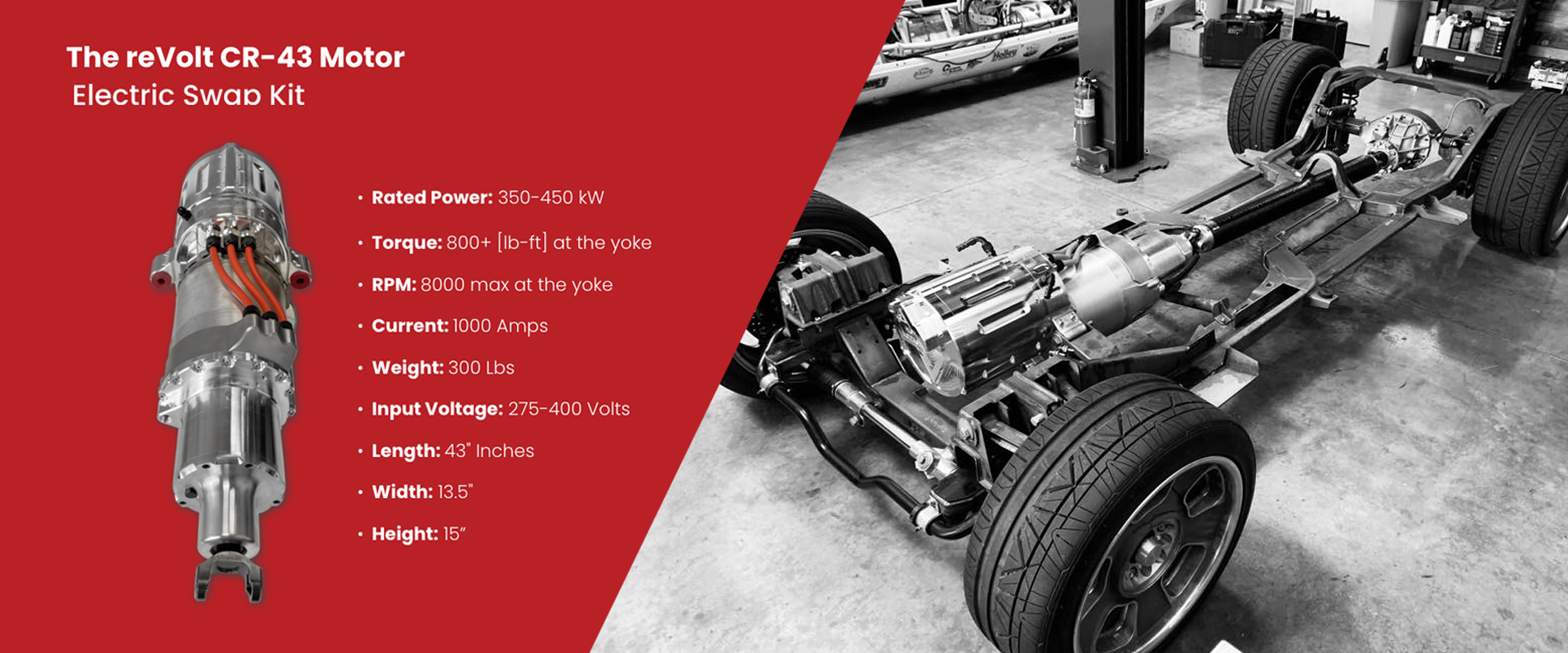
Before you start bookmarking suppliers, get clear on what an EV conversion actually requires. Sure, the motor gets the glory. But it’s just one player on a fairly crowded team.
- Electric motor — AC or DC, depending on your goals
- Battery pack — often the most expensive and complex piece
- Controller — the brain that manages power flow
- Charger — onboard or external
- DC-DC converter — powers your 12V systems
- Adapter plate and coupler — mates motor to transmission
- Wiring, contactors, fuses, and safety gear
Each one has its own sourcing quirks. Some are off-the-shelf. Others require a bit of detective work.
Salvage Yards: The Unlikely Goldmine
Here’s something a lot of first-timers don’t realize — wrecked EVs are rolling parts bins. A totaled Nissan Leaf or Chevy Bolt can donate its motor, inverter, charger, and sometimes even battery modules. And the prices? Often a fraction of new components.
Sure, you’re rolling the dice on condition. But many salvage yards now test components before listing them. Sites like Car-Part.com, eBay Motors, and even Facebook Marketplace have become surprisingly reliable for this stuff. Just… be patient. And ask for voltage readings if you can.
Pro tip: Battery modules from wrecked EVs are often the sweet spot. They’re already engineered for automotive use, and you can reconfigure them for your classic’s weight and space constraints.
Specialty EV Conversion Suppliers
When salvage doesn’t cut it, specialty shops fill the gap. These folks live and breathe conversions. They know the pain points. And they’ve usually got kits or individual parts that save you months of guesswork.
A few names that come up again and again in restorer circles:
| Supplier | What They’re Known For |
|---|---|
| EV West | Turnkey kits, motors, adapters for classics |
| NetGain Motors | Warp series motors, budget-friendly |
| HPEVS | AC motor systems, controllers |
| Torque Trends | Direct-drive systems, no transmission needed |
| DIY Electric Car | Forum-driven sourcing, hard-to-find bits |
Don’t overlook smaller shops either. Sometimes a guy in a garage in Oregon has exactly the adapter plate you need for a ’52 Chevy pickup. The classic car world runs on word-of-mouth. The EV conversion world is catching up.
Batteries: The 800-Pound Gorilla
Let’s be honest — batteries are where most budgets go to die. Or thrive, if you play your cards right.
New lithium packs from companies like LG, Samsung, or CATL are excellent. They’re also expensive. Salvaged modules from Tesla, Nissan, or BMW i3s offer a middle path. And then there’s the DIY route — assembling packs from prismatic cells sourced from China or domestic distributors.
Each path has trade-offs. New packs give you warranty and peace of mind. Salvage packs give you value but require testing. DIY gives you flexibility but demands serious electrical know-how.
One trend worth watching: second-life battery modules from grid storage projects. They’ve been cycled gently, tested thoroughly, and often sell for less than salvage yard pulls.
Adapters, Couplers, and the Art of Making Things Fit
This is where classic car restorations get… fiddly. An electric motor doesn’t just bolt up to a 1965 transmission. You need an adapter plate and a coupler. And unless you’re lucky enough to find a pre-made kit for your specific model, you’re looking at custom fabrication.
Some suppliers offer universal adapters. Others specialize in common transmission patterns — Chevy SBC, Ford Toploader, etc. If you’re handy with a mill and a lathe, you can make your own. If not, expect to pay a machinist a few hundred bucks.
And hey, don’t forget the flywheel. Sometimes you need a custom one. Sometimes you can reuse the original. It depends on the motor and transmission combo.
Wiring and Safety: The Unglamorous Essentials
Nobody gets excited about contactors and fuses. But skip them and you’re building a rolling fire hazard.
High-voltage wiring isn’t something you grab at Home Depot. You need proper gauge, proper insulation, and proper connectors. Sources include:
- EV conversion specialty shops (again)
- Industrial electrical suppliers
- Salvaged EV harnesses (carefully inspected)
- Online distributors like Digi-Key or Mouser for components
Fuses, contactors, and battery management systems (BMS) are non-negotiable. A good BMS alone can cost $500 to $1,500. But it’s the difference between a safe conversion and a news story you don’t want to be in.
Online Communities: Your Secret Weapon
Honestly, the best sourcing advice often comes from forums, not suppliers. Places like DIY Electric Car, Reddit’s r/EVConversion, and various Facebook groups are goldmines of real-world experience.
You’ll find people who’ve already made the mistakes you’re about to make. They’ll tell you which adapter plate fits, which battery modules are junk, and which supplier ships fast. And sometimes they’ll sell you spare parts from their own projects.
Lurk first. Search before asking. Then contribute. That’s the unwritten rule.
Budgeting Realities and Current Trends
A basic EV conversion can cost anywhere from $8,000 to $30,000 in parts alone. The range is wide because… well, it depends. Motor choice, battery size, whether you go salvage or new, and how much you can fabricate yourself.
Right now, two trends are shaping sourcing:
- Modular battery packs — easier to fit into odd classic car shapes
- Open-source controllers — cheaper, hackable, community-supported
And of course, the used EV market is growing. More wrecks mean more salvage parts. That’s good news for restorers.
Final Thoughts on the Hunt
Sourcing EV conversion parts for a classic car isn’t a straight line. It’s a scavenger hunt with moments of frustration and, occasionally, pure joy when you find that one component you thought didn’t exist.
The classics deserve to keep running. And if that means swapping a carburetor for a controller, well… that’s just the next chapter. The parts are out there. You just have to know where to look — and be willing to ask.