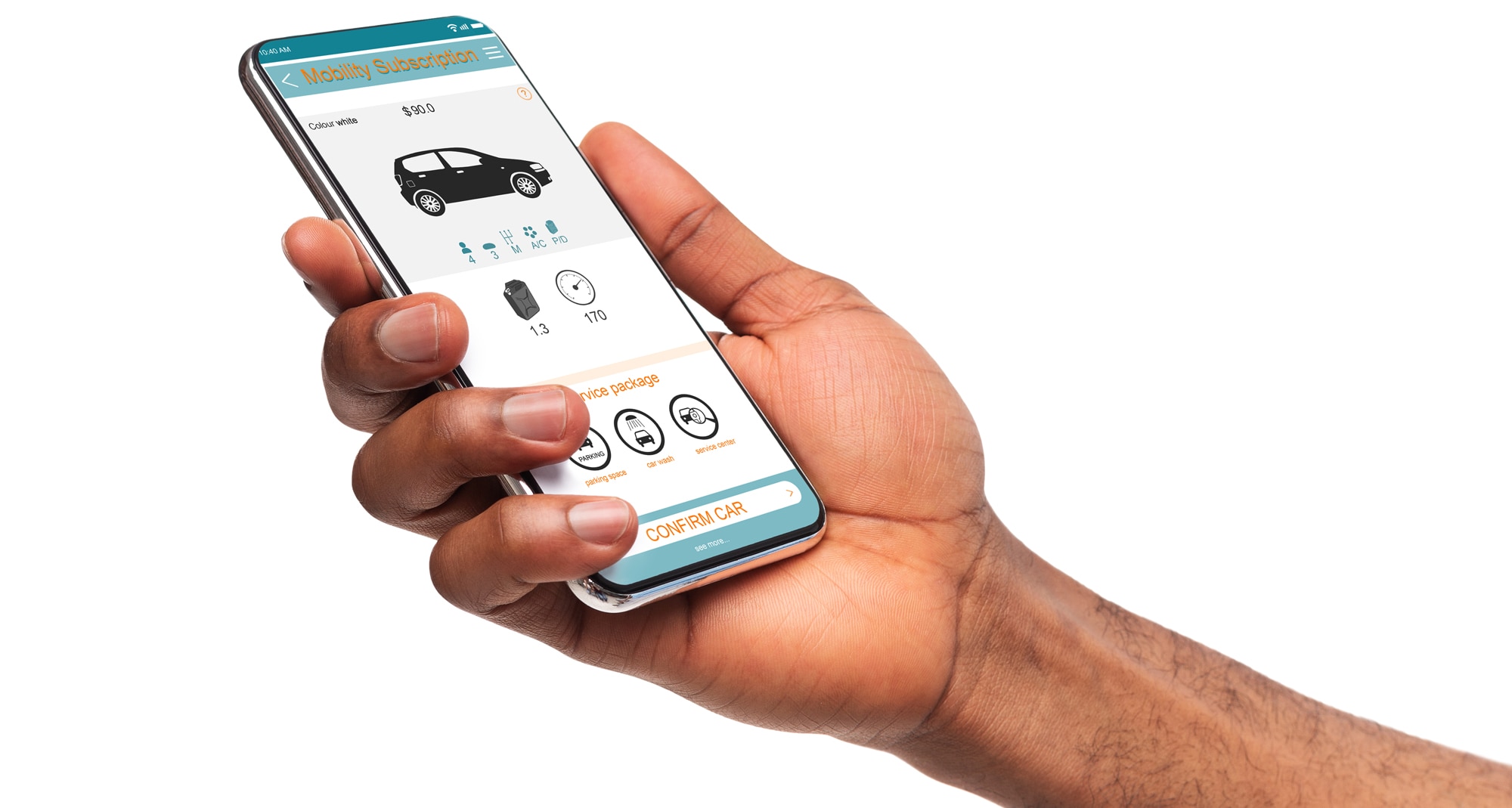
Subscription-Based Car Ownership Models and Their Impact on Personal Mobility
Remember when buying a car meant one thing: pick a model, sign a fat loan, and drive it until the wheels practically fell off? Well, those days are… shifting. Honestly, the whole idea of “owning” a car is getting a little fuzzy around the edges. Enter subscription-based car ownership — a model that’s less about what’s in your garage and more about what’s available at your fingertips.
It sounds simple enough. Pay a monthly fee, get access to a car. But the ripple effects on personal mobility? That’s where things get interesting.
What Exactly Is a Car Subscription, Anyway?
Think of it like Netflix, but for vehicles. Instead of committing to a single car for five or six years, you pay a recurring fee that typically covers the vehicle, insurance, maintenance, and sometimes even roadside assistance. Some services let you swap cars based on your needs — a sedan for the workweek, an SUV for that weekend camping trip.
It’s not leasing, though the two get confused a lot. A lease locks you into one specific vehicle for a set term, usually 24 to 36 months. A subscription is more flexible. You can often cancel with a month’s notice. No down payment. No haggling at the dealership while someone tries to sell you fabric protection.
Major players have jumped in — from traditional automakers like Volvo and Porsche to startups like Care by Volvo, Canvas, and even services bundled through apps. The concept has been simmering for years, but post-pandemic, it’s boiling over. People want flexibility. They want fewer financial anchors. And sure, they still want a nice ride.
Why This Model Is Gaining Traction
Let’s be real: car ownership is expensive. The average new car payment in the U.S. crept past $700 a month in recent years, and that’s before insurance, gas, parking, and the inevitable repair bill that shows up at the worst possible time. For many folks — especially younger city dwellers — the math just doesn’t math anymore.
Subscriptions flip the script. You get predictable costs. No surprise transmission failure draining your savings. And you’re not tied down. Moving to a city with great public transit? Cancel. Need a truck for a week? Swap. It’s mobility as a service, not a burden.
There’s also the sustainability angle. Fewer cars sitting idle in driveways means potentially fewer cars produced overall. That’s a win for resource use, at least in theory. Whether it plays out that way at scale is still an open question — but the intent is there.
The Impact on Personal Mobility: Good, Bad, and Complicated
Here’s where it gets nuanced. Subscription models can expand access to mobility for people who can’t or don’t want to commit to traditional ownership. Someone with a variable income, for instance, might find a subscription easier to manage than a five-year loan. Someone who just moved to a new city might use it as a bridge while they figure out their commute.
But — and there’s always a but — it’s not a magic bullet. Subscriptions can be pricey. Some services charge $800 to $1,500 a month for premium vehicles. That’s not exactly democratizing mobility; it’s repackaging luxury. And availability is still limited to certain metro areas. If you live in a rural town, good luck finding a subscription service that serves you.
There’s also the question of equity. If subscriptions become the norm in cities while ownership remains the only option elsewhere, we could see a split mobility landscape. That’s worth watching.
A Quick Comparison: Ownership vs. Subscription
| Factor | Traditional Ownership | Subscription |
|---|---|---|
| Upfront cost | High (down payment, taxes, fees) | Low or none |
| Monthly cost | Loan + insurance + maintenance | One bundled fee |
| Flexibility | Low — selling is a hassle | High — swap or cancel |
| Long-term equity | You own an asset | No equity |
| Maintenance | Your responsibility | Usually included |
| Availability | Anywhere | Mostly urban areas |
That table tells a story, doesn’t it? Ownership wins on equity and reach. Subscriptions win on flexibility and simplicity. Neither is universally better — it depends on your life, your budget, and where you live.
What This Means for the Future of Getting Around
Honestly, I think we’re heading toward a mixed model. Some people will always want to own their car — the pride of a title, the freedom to modify it, the ability to pass it down to a kid. And that’s fine. Others will treat cars like they treat streaming services: access when needed, cancel when not.
The real shift isn’t just about how we pay for cars. It’s about how we think about mobility itself. For decades, a car was a symbol of independence. Now, independence might mean not being tied to one at all. It might mean having options — a bike, a bus, a subscription car for the weekends, a rideshare for nights out.
Automakers are watching this closely. Some are investing heavily in subscription platforms. Others are hedging their bets. Cities are watching too, because if fewer people own cars, parking demand changes, traffic patterns shift, and public transit becomes even more critical.
Of course, there are kinks to work out. Insurance and liability in subscription models can get messy. Residual values get tricky when cars cycle through multiple users. And let’s not pretend the environmental math is automatically better — it depends on how many cars are on the road and how they’re powered.
But the genie’s out of the bottle. Subscription-based car ownership isn’t a fad. It’s a response to real pain points: financial strain, urban density, and a generation that values experiences over assets.
So, will everyone ditch their car keys for a monthly plan? Probably not. But more of us will, and that changes the road ahead for all of us — literally and figuratively. The question isn’t whether subscriptions will reshape personal mobility. It’s how deeply, and for whom.