Electric Bike Conversion Kits for Commuters: The Smart Way to Upgrade Your Ride
Let’s be honest—commuting can drain the life out of you. Traffic jams, crowded buses, and the sheer cost of gas or train tickets? It’s a grind. But what if you could turn your dusty old bicycle into a zippy electric machine for a fraction of the price of a new e-bike? That’s where electric bike conversion kits come in. They’re not just a trend; they’re a legit solution for commuters who want to save money, skip traffic, and still get a little exercise. Here’s the deal: I’ve dug into the nitty-gritty of these kits, and I’m going to walk you through everything you need to know—no fluff, just real talk.
Why Conversion Kits Are a Game-Changer for Commuters
Think of a conversion kit like a turbo button for your bike. You keep the frame you love—maybe that old mountain bike or a trusty cruiser—and suddenly, hills feel flat and headwinds become a whisper. For commuters, this means arriving at work without a sweat-soaked shirt. Or, you know, cutting your 45-minute ride down to 25 minutes. Honestly, it’s like having your cake and eating it too: you pedal when you want, and the motor kicks in when you’re tired or running late.
The best part? Cost. A decent conversion kit runs between $300 and $800, while a new e-bike can set you back $1,500 to $5,000. That’s a huge difference—especially if you’re already happy with your current bike. Plus, you’re recycling instead of buying new. Eco-friendly? Sure. Wallet-friendly? Absolutely.
The Three Main Types of Kits: Hub vs. Mid-Drive vs. Friction
Alright, let’s break this down. Not all conversion kits are created equal. You’ve got three flavors, and each one fits a different kind of commuter. Here’s the lowdown:
- Hub Motor Kits – These are the most common. The motor sits inside the front or rear wheel hub. They’re simple to install—honestly, you can do it in an afternoon with basic tools. Great for flat terrain and casual commutes. Downside? They can feel a bit sluggish on steep hills.
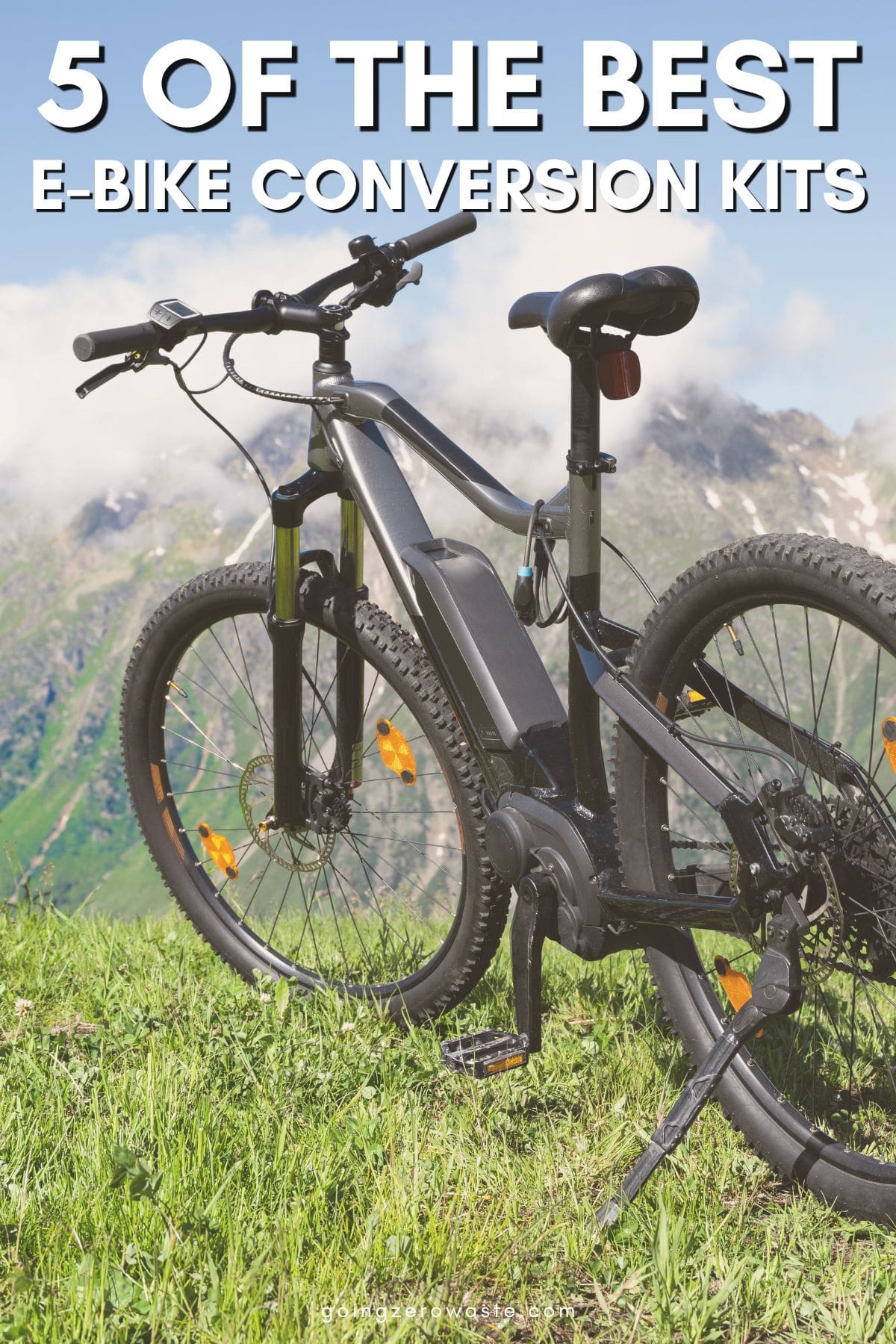
- Mid-Drive Kits – The motor mounts near the bike’s bottom bracket, driving the chain directly. This gives you better torque and hill-climbing power. Perfect if your commute involves serious elevation. But they’re pricier and harder to install—you might need a pro.
- Friction Drive Kits – A roller presses against your tire to propel you. They’re cheap and lightweight, but they wear down tires faster and struggle in wet weather. Honestly? Skip these unless you’re on a tight budget and live in a dry climate.
For most commuters, I’d say a rear hub motor kit is the sweet spot. It’s affordable, reliable, and doesn’t mess with your bike’s gears. But if you’re tackling steep hills daily, mid-drive is worth the extra cash.
What to Look for in a Kit (Without Getting Overwhelmed)
So you’re sold on the idea. Now what? Picking a kit can feel like staring at a wall of jargon—watts, volts, amp-hours… it’s a lot. Let me simplify it for you.
Battery Range and Power
Your commute distance is the big one. If you’re riding 10 miles round trip, a 36V battery with 10Ah (amp-hours) will do the job. That’s roughly 20-30 miles of range with moderate pedaling. For longer hauls—say 20+ miles—go for a 48V battery with 14Ah or more. Key takeaway: Always buy a battery with a bit more range than you think you need. Cold weather and hills drain it faster.
Motor power is measured in watts. A 250W motor is legal in most places and fine for flat roads. A 500W or 750W motor gives you more oomph for hills and faster acceleration. Just check local laws—some areas cap e-bikes at 250W or 20 mph.
Installation Difficulty: DIY or Not?
Look, I’m no mechanic. But I installed a rear hub kit on my own bike last year—and it took me about three hours. Most kits come with a manual and online videos. You’ll need basic tools: wrenches, screwdrivers, maybe a torque wrench. If you’re not handy, some bike shops will install it for $50-$100. That’s a small price for peace of mind.
One thing to watch for: compatibility. Make sure your bike has a standard dropout width (the space where the wheel goes). Most modern bikes do, but older or weird frames might not. Also, disc brakes vs. rim brakes matter—hub motors often work with disc brakes, but check the specs.
Real-World Commuter Pain Points (and How Kits Solve Them)
Let’s get real. Commuting isn’t always a joyride. Here are three common headaches—and how conversion kits fix them.
1. Arriving sweaty. You pedal hard, you sweat. A conversion kit lets you dial in the assist level. On hot days, crank it up and coast. On cooler days, pedal more. It’s like having a personal assistant for your legs.
2. Carrying groceries or gear. A heavy backpack slows you down. With a motor, you can load up panniers or a trailer without feeling like you’re towing a boulder. Some kits even have throttle-only mode—no pedaling required. Perfect for that awkward gallon of milk.
3. Fear of getting stranded. Dead battery? No problem. You can still pedal home—it’s just a heavier bike. Most kits let you remove the battery for charging at your desk. And honestly, a 30-mile range is plenty for most commutes. Just charge it overnight like your phone.
Comparing Popular Kits (Quick Table for the Data Nerds)
I’ve tested a few kits and scoured reviews. Here’s a snapshot to help you compare:
| Kit Model | Type | Power | Battery Range | Price Range | Best For |
|---|---|---|---|---|---|
| Bafang BBS02 | Mid-Drive | 750W | 20-40 miles | $600-$800 | Steep hills, long commutes |
| Voilamart 26″ Rear Hub | Hub | 500W | 20-30 miles | $350-$450 | Flat terrain, easy install |
| Swytch Kit | Hub (Front) | 250W | 15-25 miles | $500-$700 | Compact, lightweight, city rides |
| Ebikeling 48V | Hub (Rear) | 1000W | 25-35 miles | $400-$550 | Speed demons, heavy loads |
Notice the Swytch kit? It’s ultra-portable—the battery mounts on the handlebars. Great for apartment dwellers who can’t leave a bike outside. But the range is shorter. Trade-offs, you know?
Installation Tips from Someone Who’s Done It
Okay, I’ll admit it—my first attempt was a mess. I stripped a bolt and had to redo the wiring. But here’s what I learned:
- Read the manual twice. Sounds boring, but it saves time. Watch a YouTube video too—seeing it helps.
- Check your bike’s dropout spacing. Most hub kits fit 135mm dropouts (common on mountain bikes). Road bikes are often 130mm—you might need spacers.
- Secure the battery mount tightly. A loose battery can rattle or even fall off. Use thread-locker on bolts.
- Test the brakes. The extra weight from the motor means you’ll need better stopping power. Upgrade to disc brakes if you can.
- Go for a short test ride. Don’t hit the highway right away. Get a feel for the throttle and assist levels in a parking lot.
Honestly, if I can do it, you can do it. And if you get stuck, there’s a huge online community—forums, Reddit, even Facebook groups—where people help out for free.
The Legal Side of Things (Don’t Skip This)
I know, legal stuff is boring. But it matters. In the US, e-bikes are generally classified into three classes: Class 1 (pedal assist, 20 mph max), Class 2 (throttle, 20 mph), and Class 3 (pedal assist, 28 mph). Most conversion kits fall into Class 2 or 3. Check your state and local laws—some cities ban throttle-only bikes on bike paths. And in Europe, the limit is usually 250W and 15.5 mph. Don’t risk a fine for a few extra watts.
Pro tip: If you buy a kit with a display, you can often set the speed limit to stay legal. That’s a nice safety net.
Maintenance: It’s Easier Than You Think
People worry that conversion kits are high-maintenance. Not really. Hub motors are sealed and require almost no upkeep—just keep the spokes tight. Batteries? Store them indoors, avoid extreme cold, and charge them every few months if you’re not riding. Mid-drive kits need a bit more love—chain lubrication and gear checks—but it’s still less work than tuning a car.
One thing: check your tire pressure weekly. The extra weight from the motor and battery can cause flats if your tires are low. A simple pump is your best friend.
The Verdict: Is It Worth It?
Here’s the thing—conversion kits aren’t perfect. They add weight (usually 10-15 pounds), and the wiring can look a bit messy if you’re not careful. But for the price? They’re a steal. You get the freedom of an e-b