The Intersection of Automotive Cybersecurity, Software Updates, and Modern Repair
Think about the last time your phone needed an update. You tapped “install,” maybe grumbled about the wait, and carried on. Now, imagine that process, but for your two-ton SUV hurtling down the highway. That’s the new reality of car ownership. The garage isn’t just about wrenches and oil anymore; it’s about firewalls and over-the-air patches.
Honestly, the modern vehicle is a data center on wheels. And with that shift, three massive forces have collided: the urgent need for automotive cybersecurity, the relentless flow of software updates, and the complete transformation of what “repair” even means. Let’s dive into how this triad is reshaping everything from the driver’s seat to the service bay.
From Mechanical Heart to Digital Brain: The New Attack Surface
Gone are the days when a car’s most complex system was its automatic transmission. Today’s vehicles contain over 100 million lines of code—that’s more than a modern fighter jet. Every module, from the infotainment screen to the electronic brake controller, is a potential entry point. A hacker isn’t just trying to steal your playlist; they might target your vehicle’s critical safety systems.
Here’s the deal: connectivity is a double-edged sword. That same 5G link that streams your music also creates a pathway for threats. And it’s not just theoretical. Researchers have repeatedly demonstrated “remote vehicle exploits,” taking control of steering and brakes from miles away. The attack surface is vast and, well, moving.
Why Cybersecurity is a Moving Target
You can’t just install an antivirus and call it a day. Automotive cybersecurity is fundamentally different because:
- The threat evolves daily. New vulnerabilities are discovered constantly.
- The system must be “always on.” You can’t reboot a car’s computers at 70 mph.
- It’s a blend of physical and digital. A breach can have immediate, real-world consequences.
Software Updates: The Lifeline and The Lifeline’s Headache
This is where software updates come in—the essential patchwork that keeps the digital fortress standing. Manufacturers now push over-the-air (OTA) updates to fix bugs, add features, and crucially, shore up security holes. It’s like a vaccine for your car’s computer.
But here’s the friction. These updates aren’t always seamless. An update can introduce new bugs, conflict with aftermarket parts, or simply fail mid-installation. And when that happens, the car doesn’t go to the manufacturer’s HQ. It gets towed to your local independent shop or dealership service lane. Suddenly, the “repair” is a software rollback or a network re-flash.
| Type of Update | Typical Purpose | Repair Bay Impact |
| Security Patch | Fix critical vulnerabilities | High-priority, must be verified. Can cause module communication issues if botched. |
| Feature Enhancement | Add new UI or performance tweaks | Customer complaints about changes. Possible battery drain from new processes. |
| Bug Fix | Resolve glitches (e.g., false warning lights) | Common reason for visit. Diagnosis often starts with “Is software current?” |
The Modern Repair Shop: Part Mechanic, Part IT Specialist
This collision has utterly transformed the repair industry. The technician of 2024 needs a skillset that would baffle a master mechanic from 2004. Diagnostic tools are now laptops with specialized software. The “check engine” light is often a cipher pointing to a code error, not a cracked spark plug.
And there’s a huge, looming issue: access versus security. Independent repair shops have fought for—and won—rights to access vehicle data and tools. But manufacturers rightly argue that unfettered access can create new cybersecurity risks. If every shop can deep-dive into the code, who ensures they don’t accidentally (or maliciously) open a backdoor?
It’s a tightrope walk. Repair professionals need comprehensive data to fix your car. But the ecosystem also needs robust cybersecurity hygiene to keep everyone safe. The solution? Probably secure, standardized data access platforms and new certifications for technicians in vehicle electronics. It’s coming, but the transition is messy.
The Technician’s New Toolkit
- Advanced Diagnostic Scanners: Not just code readers, but systems that can interface with dozens of control modules.
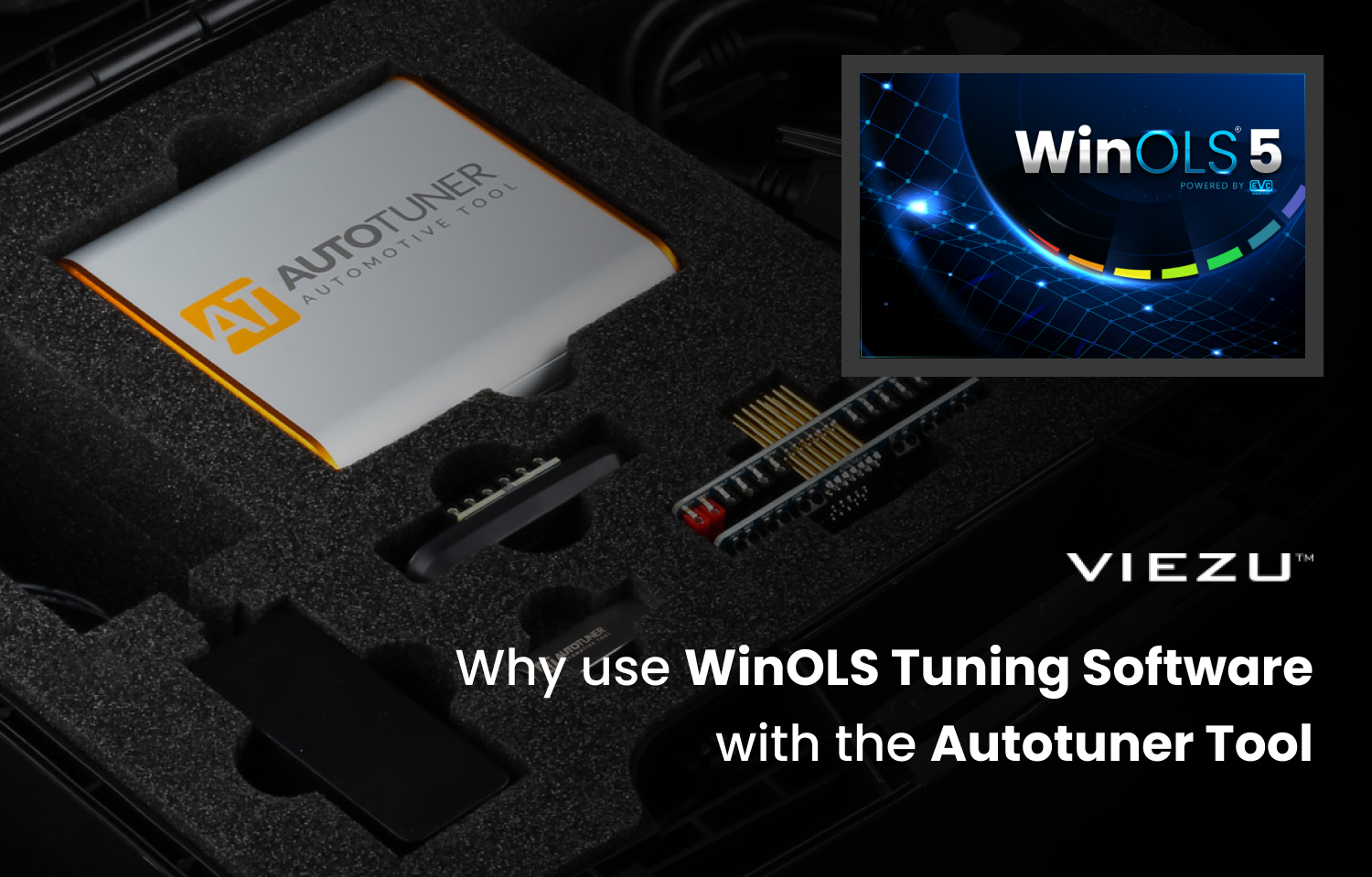
- J2534 Reprogramming Tools: Essential for flashing updated software to ECUs when OTAs fail.
- Network Analyzers: To troubleshoot the vehicle’s internal CAN (Controller Area Network) bus—its digital nervous system.
- Cybersecurity Protocols: Understanding secure procedures to avoid introducing vulnerabilities during repair.
Where This All Meets: The Owner’s Experience
For the driver, this intersection feels like… confusion, mostly. You get a notification on your dash: “Update Available.” Do you install it now in the grocery store parking lot? What if it bricks the car? You hear about a cybersecurity recall for your model. Is that something the dealer handles, or will your trusted local shop do it?
The ownership model is shifting from “I maintain an asset” to “I steward a continuously updating platform.” Maintenance schedules now include “software health checks.” And your relationship with a repair shop hinges on their digital competency as much as their mechanical honesty.
Frankly, it’s a lot. The convenience of new features and proactive security patches is incredible. But it comes with a loss of simplicity, a new kind of dependency. You’re not just trusting a mechanic with your brakes; you’re trusting them with your car’s entire digital identity.
Driving Forward on a Digital Road
So, where does this leave us? At a fascinating, if precarious, junction. The car is no longer a purely mechanical artifact. It’s a living, breathing, updating piece of technology. And that changes everything.
The future of automotive repair—and safety—will be written in code as much as in grease. It demands collaboration between engineers who understand encryption, technicians who can navigate software trees, and policymakers who can balance innovation with security and fair competition.
The next time your car alerts you, think about the immense, invisible chain reaction behind that little icon. It represents a global effort to protect, improve, and sustain your vehicle. The repair shop has become a front line in digital defense, and the humble software update is its most vital tool. The road ahead is coded, and we’re all learning to read the map as we go.