Understanding and Troubleshooting Advanced Driver-Assistance Systems (ADAS)
You’re cruising down the highway, and suddenly your car nudges you back into your lane. Or maybe it slams on the brakes before you even see the stopped traffic ahead. That’s ADAS—advanced driver-assistance systems—working its quiet magic. But when that magic glitches? It can feel like your car is having a temper tantrum. Let’s dig into how these systems tick, and more importantly, what to do when they start acting up.
What Exactly is ADAS? A Quick Refresher
Honestly, ADAS isn’t one single thing. It’s a collection of sensors, cameras, radar, and sometimes lidar, all working together. Think of it as a digital co-pilot—one that’s always watching, but sometimes gets a little distracted by a dirty windshield or a weird reflection. We’re talking about features like adaptive cruise control, lane-keeping assist, automatic emergency braking, and blind-spot monitoring. They’re all designed to reduce human error. But here’s the thing: they’re only as good as their inputs.
When those inputs get wonky—say, a camera is misaligned after a pothole hit—the system can freak out. You might see warnings flashing, or worse, the system might disengage entirely. That’s when troubleshooting becomes your new best friend.
Common ADAS Failures (and Why They Happen)
Let’s be real: ADAS problems are rarely the system being “broken” in a dramatic way. More often, it’s something mundane. Here’s a breakdown of the usual suspects:
- Sensor blockage or dirt: A bug splatter on the camera lens or a layer of road salt on the radar sensor can throw everything off. It’s like trying to see through fogged-up glasses.
- Misalignment after an accident or repair: Even a minor fender bender can knock a sensor out of whack. And if you’ve had windshield replacement? That forward-facing camera needs recalibration—period.
- Software glitches: Yep, cars are computers on wheels. A buggy update or a corrupted file can cause phantom warnings or system failures.
- Environmental interference: Heavy rain, fog, or direct sunlight can confuse optical sensors. Radar is usually fine, but cameras? They struggle.
- Aftermarket modifications: Installing a different bumper, adding a lift kit, or even mounting a roof rack can interfere with sensor fields. Your car might not “see” the way it used to.
When to Panic (and When Not To)
Okay, so your dashboard lights up like a Christmas tree. Take a breath. If the warning is intermittent or appears only in bad weather, it’s probably a sensor issue. But if your car suddenly brakes for no reason—or refuses to brake at all—that’s a safety-critical problem. Don’t ignore that. Pull over, check for obvious dirt or damage, and if it persists, get professional help. Seriously.
Step-by-Step Troubleshooting: DIY First
Before you call a shop, there are a few things you can try. No, you don’t need a PhD in automotive engineering. Just a bit of patience and a clean rag.
- Clean everything. Windshield, front grille, side mirrors, rear bumper—anywhere sensors might live. Use a microfiber cloth and glass cleaner. You’d be shocked how often this fixes it.
- Check for physical damage. Look for cracks in the windshield near the camera housing, dents in the bumper, or loose trim around sensors. If something’s bent, it’s not reading right.
- Restart the system. Turn the car off, wait a minute, and restart. Sometimes a simple reboot clears a temporary glitch. It’s the IT Crowd solution for cars.
- Review your owner’s manual. I know, boring. But it’ll tell you exactly where sensors are located and what warnings mean. Some cars even have a “sensor view” mode that shows you what the cameras see.
- Check for software updates. Many modern cars can update over the air. If you’re seeing repeated errors, a pending update might be the culprit.
If none of that works… well, you might be looking at a recalibration job. That’s where things get a little more involved.
The Tricky Part: Recalibration
Here’s the deal: after a windshield replacement, a wheel alignment, or any front-end collision, ADAS sensors often need recalibration. This isn’t something you can do with a screwdriver and a prayer. It requires specialized equipment—target boards, laser levels, and diagnostic software. Some systems use “dynamic calibration,” which means you drive the car under specific conditions (straight road, clear markings, certain speed) and the system relearns. Others need “static calibration” in a shop with precise measurements.
And here’s a pro tip: never skip recalibration after windshield replacement. Even if the shop says it’s fine. The camera mount is usually glued to the glass, and if it’s off by even a millimeter, lane-keeping and emergency braking can behave erratically. I’ve seen cars that drift left because the camera thinks the lane is crooked. Not fun.
Why DIY Recalibration is a Bad Idea
Look, I get it. You’re handy. But ADAS calibration is like trying to tune a piano with a sledgehammer. The margin for error is tiny—often less than 0.1 degrees. Most DIY methods (like taping a target to a wall) just don’t cut it. You’ll end up with a system that works “sort of,” which is arguably more dangerous than one that’s completely broken. Spend the money. Your safety—and the safety of others—is worth it.
When Professional Help is Non-Negotiable
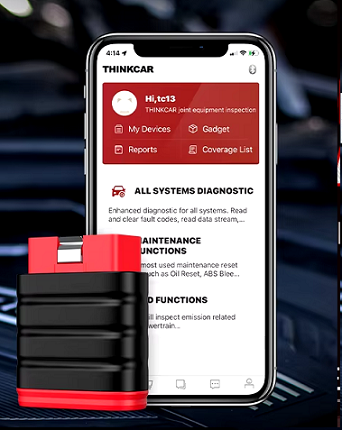
Some problems are beyond a rag and a reboot. If you’re dealing with persistent error codes, especially ones related to radar or lidar, you need a scan tool. Independent shops with ADAS-capable scanners are becoming more common, but dealerships still have the edge for brand-specific quirks. Also, if your car has been in a moderate accident, don’t just assume the sensors are fine. Internal damage to radar modules or wiring harnesses can be invisible to the naked eye.
One more thing: aftermarket parts can mess with ADAS. If you replaced a bumper cover with a non-OEM part, the radar might not see through it properly. Some aftermarket windshields have different optical properties that confuse cameras. It’s a pain, but genuine parts often matter here.
Trends and Pain Points in 2025
Right now, the biggest headache is the sheer complexity. Cars have more sensors than ever, and they all talk to each other. A fault in the brake control module can trigger a false lane-departure warning. It’s a web of dependencies. Also, there’s a growing shortage of trained ADAS technicians. Shops are struggling to keep up. So if you’re waiting weeks for an appointment—yeah, that’s a real thing.
On the bright side, more automakers are moving toward “over-the-air” updates that can fix software bugs without a shop visit. But hardware issues? Those still require hands-on work. And with the rise of semi-autonomous features (like GM’s Super Cruise or Ford’s BlueCruise), the stakes are higher. A glitch in those systems isn’t just annoying—it’s a potential crash risk.
Wrapping It Up (Without the Fluff)
ADAS is a remarkable safety net—when it works. But it’s not infallible. Understanding the basics of what can go wrong, and knowing when to clean versus when to call a pro, can save you time, money, and maybe a fender bender. The technology is evolving fast, but the fundamentals remain: keep sensors clean, respect recalibration requirements, and don’t assume a warning light is just a “glitch.” Your car is trying to tell you something. Listen—just maybe not to the beeping.
In the end, these systems are tools, not replacements for awareness. They’ll nudge you, warn you, and sometimes brake for you. But the best driver assistance system? Still the one behind the wheel. Keep that in mind, and you’ll navigate the road—and the troubleshooting—just fine.