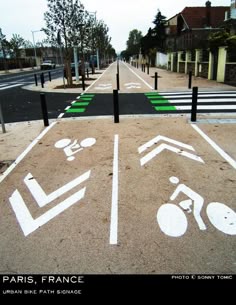
Bike-friendly city planning innovations for suburban neighborhoods
Let’s face it — suburban neighborhoods weren’t exactly built for bikes. They were designed for cars. Wide cul-de-sacs, sprawling parking lots, and roads that feel more like highways. But things are changing. Slowly, sure. But surely. Cities and planners are waking up to the fact that bikes aren’t just for urbanites or weekend warriors. They’re for everyone. And honestly, suburban neighborhoods have a huge untapped potential for bike-friendly design. So, what’s actually working out there? Let’s dive in.
The suburban bike paradox: space vs. safety
Here’s the weird thing about suburbs: they have plenty of space. Wide streets, big lots, and tons of green space. But that space often works against cyclists. Wide roads encourage speeding. Cul-de-sacs create disconnected routes. And bike lanes? Well, they’re often an afterthought — a painted line that disappears at the next intersection. It’s a paradox. You have all this room, but it feels unsafe to ride a bike.
But innovators are flipping that script. They’re using that same space to create networks that actually work. Think of it like this: you don’t need to tear down the suburbs. You just need to rewire them.
1. The “bike boulevard” — quiet streets that prioritize cyclists
One of the coolest innovations is the bike boulevard. These aren’t your typical bike lanes. Instead, they’re low-traffic residential streets redesigned to give bikes the right-of-way. Planners use things like traffic diverters, speed humps, and roundabouts to slow cars down. The result? A street that feels like a shared space — not a race track.
In suburbs like Portland’s outer neighborhoods, bike boulevards have cut car speeds by nearly 30%. And they’re cheap to implement. No major construction. Just smart tweaks. You know, like adding a few planters or a mini roundabout. It’s almost… elegant in its simplicity.
2. Greenway networks that connect everything
Another game-changer? Greenway networks. These are off-street paths that wind through parks, along creeks, and behind houses. They’re like secret passages for bikes. And they solve the biggest suburban problem: connectivity. Because let’s be real — nobody wants to ride their bike on a 45-mph arterial road just to get to the grocery store.
Take the Atlanta BeltLine, for example — though it’s more urban, the concept is spreading to suburbs. Places like Arlington, Virginia, have built greenway systems that link neighborhoods to schools, libraries, and shopping centers. It’s not just about recreation. It’s about utility. You can actually run errands by bike. Imagine that.
Infrastructure that feels human — not just functional
Good bike infrastructure isn’t just about lines on the road. It’s about how it feels. Does it feel safe? Does it feel inviting? Or does it feel like an afterthought? The best innovations in suburban planning are those that prioritize human comfort. Here’s what that looks like.
Protected intersections — a quiet revolution
Intersections are the scariest part of any bike ride. Especially in suburbs, where cars turn fast and drivers aren’t expecting cyclists. That’s where protected intersections come in. These use curbs, bollards, or raised crossings to physically separate bikes from cars at junctions. They’re common in the Netherlands, but now they’re popping up in U.S. suburbs like Davis, California, and Boulder, Colorado.
The result? A 50% drop in bike-car collisions in some areas. It’s not rocket science — it’s just good design. And honestly, it makes you wonder why we didn’t do this sooner.
Bike parking that doesn’t suck
Okay, this one sounds boring. But hear me out. Ever tried locking your bike to a flimsy, bent-up rack? It’s frustrating. Suburban planners are finally realizing that secure, covered bike parking is a necessity, not a luxury. Some neighborhoods are installing bike lockers, repair stations, and even valet bike parking at community events. It’s a small thing — but it signals that bikes are welcome.
And here’s a stat: neighborhoods with high-quality bike parking see a 20% increase in cycling trips. That’s not nothing.
Policy innovations that make it all possible
Infrastructure is only half the story. The other half is policy. Because you can build all the bike lanes you want — if zoning laws or traffic codes work against them, they’ll fail. Here are a few policy shifts that are actually working in suburbs.
Complete streets ordinances
More and more suburbs are adopting Complete Streets policies. These require that any new road project considers all users — pedestrians, cyclists, transit riders, and drivers. It sounds obvious, but it’s a radical shift from car-first thinking. In places like Cary, North Carolina, this has led to wider sidewalks, bike lanes, and pedestrian islands on every new road.
Bike-friendly zoning codes
Some suburbs are rewriting their zoning codes to require bike parking, shower facilities in new developments, and connections to existing bike networks. It’s a slow process, but it’s happening. And it’s creating neighborhoods where biking isn’t just possible — it’s encouraged.
Real-world examples that inspire
Let’s look at a few suburbs that are nailing this. Not perfect — but definitely worth paying attention to.
| Suburb | Innovation | Impact |
|---|---|---|
| Arlington, VA | Greenway network + bike boulevards | 40% increase in bike commuting since 2010 |
| Davis, CA | Protected intersections + bike-only paths | 22% of all trips are by bike |
| Cary, NC | Complete Streets policy | Over 50 miles of new bike lanes in 5 years |
| Boulder, CO | Bike-friendly zoning + secure parking | 15% mode share for bikes |
These aren’t huge cities. They’re suburbs. And they’re proving that bike-friendly planning isn’t just for downtowns. It’s for cul-de-sacs and strip malls too.
What about the naysayers?
Sure, there’s pushback. Some residents worry about losing parking spaces. Others think bike lanes are a waste of money. But here’s the thing — the data doesn’t lie. Bike-friendly neighborhoods see higher property values, lower traffic fatalities, and healthier residents. And honestly, the cost of building bike infrastructure is a fraction of what we spend on roads for cars.
So yeah, there’s resistance. But it’s fading. As more people try biking — even just for a quick trip to the coffee shop — they realize it’s not scary. It’s liberating.
A few small steps for your own suburb
You don’t have to wait for a master plan. Here are some things that communities are doing right now, on a shoestring budget:
- Tactical urbanism — using temporary materials like planters and paint to create pop-up bike lanes. Test them before making them permanent.
- Neighborhood bike maps — simple, printed maps showing low-stress routes. Hand them out at community centers.
- Bike trains — organized group rides for kids to bike to school together. It’s social and safe.
- Speed reduction campaigns — lowering speed limits on residential streets to 20 mph. It’s cheap and effective.
These aren’t flashy. But they build momentum. And momentum is everything.
The quiet shift: from car-centric to people-centric
At the end of the day, bike-friendly suburban planning isn’t just about bikes. It’s about reclaiming space for people. It’s about kids being able to ride to a friend’s house without a parent driving them. It’s about adults getting a little exercise on their commute. It’s about neighborhoods that feel connected — not just by roads, but by shared paths and shared experiences.
We’re not going to turn every suburb into Amsterdam overnight. But we don’t have to. Small innovations — a bike boulevard here, a greenway there — add up. They change how people move. And slowly, they change how people think.
So next time you’re driving through your neighborhood, look around. Where could a bike lane fit? Where’s a quiet street that could become a bike boulevard? The potential is there. It’s just waiting for someone to see it.