Maximize Heavy-Duty Engine Lifespan: Avoiding Costly Downtime Through Turbocharger Maintenance
For fleet managers and owner-operators of heavy machinery, a sudden engine failure isn’t just a mechanical nuisance—it is a financial drain. When a piece of equipment sits idle in a yard because of a blown turbocharger, the cost is measured not just in parts and labor, but in lost contracts, missed deadlines, and idling crews.
Maintaining the forced induction system is the most effective way to prevent these catastrophic failures. Because turbochargers operate at extreme temperatures and rotational speeds, the margin for error is slim. A small oversight in lubrication or filtration can lead to a total engine teardown.
Identifying the Early Warning Signs of Turbo Failure
Most turbochargers do not fail without warning. The goal for any professional operator is to catch the degradation phase before it reaches the point of catastrophic failure.
Unusual Noise Profiles
A healthy turbocharger has a distinct, consistent whistle. However, a change in pitch—specifically a high-pitched screech or a metallic grinding sound—often indicates that the turbine shaft has shifted or that the bearings are failing. If the sound resembles a “siren,” it is typically a sign that the compressor wheel is making contact with the housing.
Exhaust Smoke Variations
The color of your exhaust is a direct diagnostic tool for your turbo’s health:
- Blue Smoke: This usually indicates that oil is leaking past the seals and into the exhaust or intake stream.
- Black Smoke: This often points to an imbalance in the air-fuel ratio, suggesting the turbo is not providing enough boost to burn the fuel efficiently.
Sudden Drops in Power
A noticeable loss of torque or a sluggish response during acceleration often means the turbo is struggling to maintain boost pressure. This could be due to a leak in the piping, a failing wastegate, or internal wear.
The Critical Role of Oil and Filtration
The turbocharger is perhaps the most sensitive component in a diesel engine regarding lubrication. The bearings spin at speeds exceeding 100,000 RPM; at this velocity, the oil film is the only thing preventing metal-on-metal contact.
Maintaining Oil Purity
Contaminated oil acts like liquid sandpaper. Even microscopic particles of carbon or metal can score the bearing surfaces, leading to shaft instability. Using high-quality synthetic oils and adhering to strict change intervals is non-negotiable. Furthermore, ensuring that the oil is fully warmed up before putting the engine under heavy load prevents the “dry start” scenario that kills many units.
Air Intake Integrity
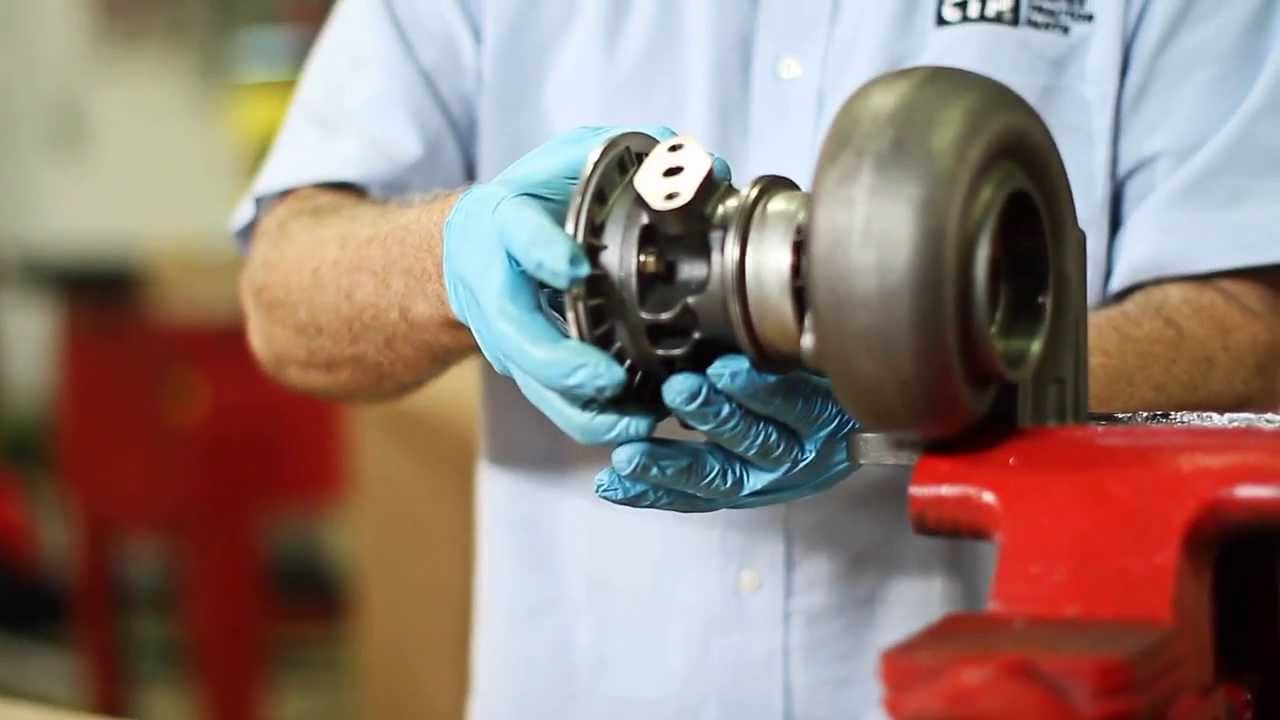
The compressor wheel spins at incredible speeds, making it highly susceptible to “foreign object damage.” A single small pebble or a piece of plastic sucked through a torn air filter can bend the compressor blades instantly. Regularly inspecting the air intake housing and replacing filters before they become restricted ensures the cat turbo can breathe efficiently without risking internal damage.
Strategic Replacement and Upgrade Paths
There comes a point where repairing a turbocharger is no longer cost-effective. When the housing is cracked or the shaft play exceeds manufacturer specifications, a full replacement is the only viable path to reliability.
OEM vs. Performance Upgrades
For those operating in extreme environments—such as steep grades, high altitudes, or heavy towing cycles—standard replacements may not be sufficient. Upgrading to a high-performance unit can reduce the strain on the engine by improving efficiency and lowering Exhaust Gas Temperatures (EGTs). Lower EGTs directly correlate to a longer lifespan for the engine block and pistons.
The Importance of System-Wide Checks
Replacing a turbocharger without investigating why the previous one failed is a recipe for a repeat disaster. Before installing a new unit, professional technicians should check:
- Oil Feed Lines: Ensure there are no restrictions or sludge buildup in the lines feeding the turbo.
- Intercooler Leaks: Check for “boost leaks” that force the turbo to overwork to maintain pressure.
- Wastegate Function: Confirm the wastegate is opening and closing correctly to prevent over-boosting.
Reducing Long-Term Operational Costs
The most expensive way to manage a fleet is through “reactive maintenance”—fixing things only after they break. By implementing a proactive inspection schedule, operators can shift toward “predictive maintenance.”
Investing in high-quality components and rigorous filtration schedules may seem like an added expense in the short term, but it is a fraction of the cost of a full engine rebuild. When the equipment stays on the road and off the hoist, the return on investment is immediate. Focus on the lubrication, guard the air intake, and monitor the exhaust, and the machinery will deliver the performance required for the most demanding jobs.