The Rise of Adaptive and Inclusive Cycling: Freedom on Two (or Three, or Four) Wheels
For a long time, the simple joy of a bike ride felt like a closed road for many people with disabilities. Standard bicycles just didn’t fit. The barriers were physical, sure, but also societal—a quiet assumption that cycling wasn’t for everyone.
Well, that assumption is being pedaled straight into the ditch.
A quiet revolution is rolling through parks, trails, and communities. It’s the rise of adaptive and inclusive cycling, a movement that’s redefining what a bicycle can be and, more importantly, who gets to ride one. It’s not just about special equipment; it’s about unlocking independence, joy, and a profound sense of belonging.
More Than a Bike: What is Adaptive Cycling, Anyway?
Let’s break it down. Adaptive cycling is an umbrella term. It covers any modified bicycle or cycling equipment designed to meet a rider’s unique physical, sensory, or cognitive needs. Think of it not as a single product, but a spectrum of solutions.
Inclusive cycling is the ecosystem that makes it work. It’s the accessible trails, the rental programs at parks, the community groups that host rides where no one gets left behind. It’s the mindset shift.
The goal here isn’t just mobility. It’s the wind in your face. It’s the rhythmic push of the pedals. It’s the shared laughter on a group trail. It’s reclaiming a fundamental human experience.
The Toolkit of Freedom: Types of Adaptive Cycles
The innovation in this space is honestly breathtaking. It’s a testament to human ingenuity. Here’s a look at some common—and some wonderfully unique—adaptive bicycles for adults and kids.
Handcycles: Power from the Arms
Probably the most recognized type. Handcycles replace foot pedals with a hand-crank mechanism. They come in recumbent (laid-back) or upright models and can be arm-powered trikes or even attachable units for wheelchair users. They’ve become a staple in para-cycling sports and recreational trails alike.
Tricycles & Stability Bikes
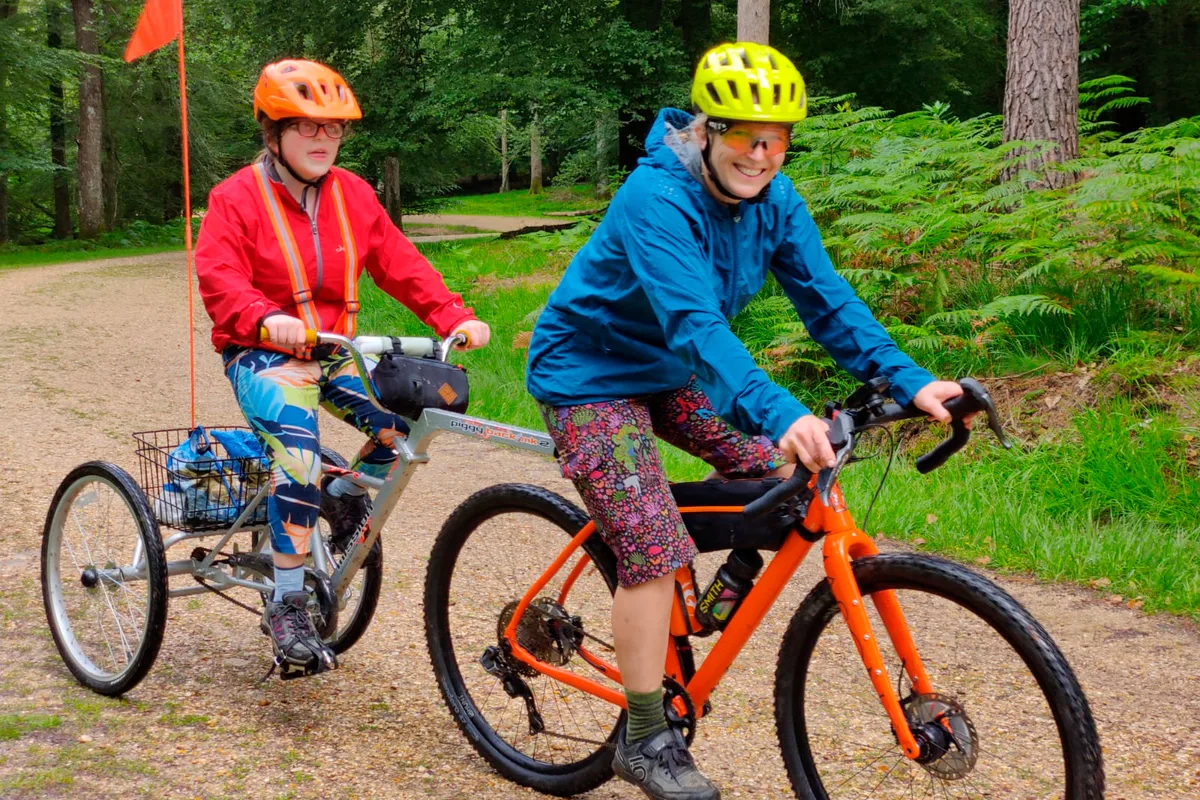
Three wheels provide a stable, low-center-of-gravity platform for riders who need balance support. These aren’t your childhood trikes—they’re robust, often featuring bucket seats, harnesses, and even foot retention systems. A game-changer for individuals with conditions like cerebral palsy or Down syndrome.
Tandem & Duet Bikes: The Social Element
Inclusion means riding with others. Tandems (two-seaters, front and back) allow a sighted pilot to guide a rider with visual impairments. Side-by-side duets let a companion assist with steering or braking, perfect for building confidence or for riders with cognitive differences. The social connection is just as valuable as the exercise.
The Truly Custom: From Foot Steering to Sensory Kits
This is where it gets really interesting. There are bikes steered with the feet for riders with limited arm use. There are wheelchair carriers that attach to the front of a standard bike, allowing a parent and child to ride together. You’ll find cycles with sensory kits—bells, ribbons, textures—to engage riders on the autism spectrum. The list keeps growing.
Why This Movement is Gaining Speed (And It’s Not Just the Bikes)
So, what’s fueling this rise? A few powerful currents converged.
First, technology and materials got better and more affordable. Lightweight alloys, precise gearing, and improved design have made adaptive cycles more durable, efficient, and—crucially—lighter and easier to transport.
Second, the disability advocacy movement has rightfully pushed for inclusive recreation. It’s no longer seen as a “nice-to-have” but a vital part of community life and mental well-being. The demand created the market.
Third, and maybe most beautifully, the community formed. Non-profits, local bike shops with a passion for adaptation, and grassroots clubs started popping up. They became the bridge, offering try-it events, rental libraries, and group rides that reduce the intimidation and cost barriers.
Here’s a quick look at the key drivers:
| Driver | Impact |
| Improved Technology | Lighter, stronger, more customizable cycles. |
| Advocacy & Awareness | Recognition of recreation as a right, not a privilege. |
| Community Programs | Try-before-you-buy, reducing risk and fostering social connection. |
| Mainstream Attention | Increased visibility in media and at public events. |
The Real-World Impact: It’s Deeper Than You Think
Sure, the physical health benefits are obvious: cardiovascular fitness, improved muscle tone, better coordination. But the psychological and social ripple effects? They’re profound.
For a child who’s always watched from the sidelines, an adaptive trike means finally joining the neighborhood kids. For a veteran adjusting to life after injury, a handcycle can rebuild a sense of agency and purpose. For a family, it’s an activity they can do together, without adaptation feeling like an afterthought.
It’s about autonomy. It’s about the quiet pride of propelling yourself forward under your own power, however that power is generated. It shatters the “can’t” narrative in the most visceral way possible.
Roadblocks on the Path: Challenges to True Inclusion
That said, the path isn’t completely smooth yet. Two huge bumps remain.
Cost: Let’s be real. A high-quality adaptive cycle can cost thousands—often multiple thousands—of dollars. Insurance coverage is spotty at best, labeling them “recreational” rather than essential. This is the single biggest barrier for most families.
Access & Awareness: Even if you can afford one, where do you get it? Not every town has a specialist. And many people—including healthcare providers—still don’t know these options exist. The information gap is real.
Then there’s infrastructure. A narrow, potholed bike lane or a trail with a steep, gravelly entrance might as well be a wall for many adaptive riders. True inclusion means paving the way, literally and figuratively.
How You Can Help Pedal the Movement Forward
Feeling inspired? Wondering how to support inclusive cycling programs? Good news: you don’t need to be an engineer or a millionaire.
- Support Local Non-Profits: Find and donate to organizations that run adaptive cycling try-outs or rental libraries. Your money might fund a child’s first ride.
- Advocate for Accessible Trails: In your community, push for paved, wide, smooth pathways with gentle grades. Good for adaptive cycles, strollers, seniors—everyone.
- Spread the Word: Simply sharing information about adaptive cycling breaks down the awareness barrier. Talk about it.
- Be an Inclusive Riding Partner: If you’re a cyclist, welcome adaptive riders on group rides. Plan routes they can navigate. The community is the engine.
Look, at its heart, cycling is about freedom. It’s a feeling that shouldn’t have a disability prerequisite. The rise of adaptive and inclusive cycling is, in fact, a return to that core truth. It’s a reminder that with a little creativity and a lot of determination, we can build a world where everyone gets to feel the wind in their face.
The wheels are turning. And honestly, the view from this path is beautiful for everyone.