Building a Bike-Centric Community: From Social Rides to Advocacy and Local Infrastructure Projects
You know that feeling. The wind in your face, the quiet hum of tires on pavement, the simple joy of getting somewhere under your own power. For many of us, cycling starts as a personal escape, a bit of fitness, or a cheap commute. But then something shifts. You start to see the city differently—not as a series of car-choked corridors, but as a network of potential connections. And you realize: to make biking truly safe and accessible for everyone, you need more than just a good lock. You need a bike-centric community.
That’s the journey we’re talking about. It’s a path that winds from casual group rides all the way to shaping the concrete and paint of your city’s streets. Honestly, it’s about transforming a solitary activity into a collective force. Let’s dive in.
The Social Spark: Where Community Begins on Two Wheels
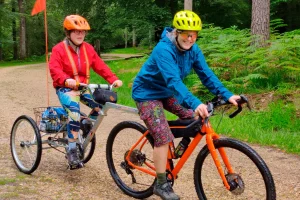
It almost always starts with a social ride. These aren’t training sessions or high-speed pacelines (though those have their place). Think slow rolls, taco Tuesdays, full moon rides, or family-friendly weekend circuits. The goal is connection, not calories burned.
Why are these so powerful? Well, they’re the living room of the bike advocacy movement. They’re low-barrier. You show up, you ride, you chat. In that shared space, strangers become friends. Conversations flow from gear and routes to frustrations: “That intersection is a death trap,” or “I wish my kid could bike to school safely.”
That shared experience—the vulnerability of riding in traffic together—builds a unique kind of solidarity. It’s the foundation. From here, the community’s identity grows. You might design a logo, get some stickers printed. It feels organic, almost accidental. But this social layer is the essential fuel for everything that comes next.
From Peloton to Policy: The Leap into Bike Advocacy
So you’ve got a group. The energy is there. Now what? This is the pivot, the sometimes-awkward but crucial step from social club to local cycling advocacy group. It’s where passion meets the planning commission.
Advocacy can sound intimidating. It doesn’t have to mean suits and council meetings right away. It starts with identifying a single, winnable issue. Maybe it’s getting a bike rack installed outside the popular library. Or reporting potholes on a key bike route en masse using the city’s 311 app. A small victory proves that change is possible.
Here’s the deal: effective advocacy is equal parts storytelling and data.
- Tell the human stories: Collect and share narratives. The senior who bikes for groceries. The parent doing the “cargo bike school run.” The server who relies on their bike to get to work. Policymakers respond to constituents, not abstract concepts.
- Bring the numbers: Use city data (or collect your own!) on traffic counts, near-misses, or the economic boost of bike-friendly business districts. A simple table can make a powerful point:
| Advocacy Tactic | Community Impact |
| Organized “Ride-With-A-Councilmember” Event | Puts officials in the rider’s perspective, firsthand. |
| Petition for a Protected Bike Lane | Demonstrates broad public support beyond vocal online groups. |
| Attend a Public Works Planning Meeting | Ensures the cycling voice is in the room when decisions are sketched out. |
The key is consistency. Show up. Again and again. Become a known, reasonable, and persistent voice for safe streets.
The Tangible Dream: Shaping Local Infrastructure Projects
This is where the rubber literally meets the road. Advocacy efforts crystallize into local bike infrastructure projects. This is about permanent change—the paint, concrete, and signage that make biking a default option, not an act of courage.
Infrastructure isn’t just about the big, flashy projects like separated cycle superhighways (though, wow, are those nice). It’s about a connected network. A protected lane that ends abruptly at a dangerous intersection is worse than useless—it’s a betrayal of trust.
So, what does meaningful infrastructure look like at the local level? It’s often a mix:
- Protected Bike Lanes: Physical separation from traffic. These are the gold standard for main corridors.
- Neighborhood Bikeways (aka “Bike Boulevards”): Calmed streets where through traffic is discouraged, making them ideal for cyclists of all ages.
- Protected Intersections: Design that separates bike and car turning paths, eliminating dangerous conflict points.
- Secure Bike Parking: Covered, well-lit, and abundant parking at destinations.
The Community’s Role in the Concrete
You might think infrastructure is purely an engineering department affair. Not so. A strong bike community plays a vital role from conception to ribbon-cutting. They provide on-the-ground knowledge. They can rally supporters for crucial public comment periods. They can even participate in tactical urbanism projects—think guerrilla wayfinding signs or DIY curb extensions—to demonstrate what’s possible.
It’s a partnership, really. The city has the resources and authority. The community has the lived experience and the political will. Together, they can build something that works for real people.
The Ripple Effects: Why This Work Matters Beyond the Bike Lane
When you build a bike-centric community, you’re not just building better places to ride. The effects ripple outwards, touching almost every aspect of local life. It’s about more than bikes; it’s about building a more resilient, healthy, and connected town.
Think about it. Safer streets mean kids gain independence. Quieter, cleaner neighborhoods increase property values. Local businesses see more frequent visits from people on bikes (who, studies show, actually stop and spend more than drivers speeding by). You’re reducing traffic congestion and carbon emissions almost as a side effect. The work of creating safe cycling networks fosters spontaneous interactions—you chat with a neighbor at a bike rack, you recognize familiar faces on the path. That’s social fabric being woven.
In fact, the bike becomes a tool—a catalyst—for looking at our shared environment with more empathy and imagination. It challenges the default setting of car-centric design and asks a simple, profound question: who are our streets for?
Keeping the Wheels Turning: It’s a Long Ride
This isn’t a sprint. It’s a long, sometimes slow, ride with plenty of hills. You’ll face setbacks. A project gets delayed. Funding falls through. There will be loud opposition from a small but vocal few who see any street reconfiguration as a personal war on their commute.
That’s why that initial social layer is so critical. It’s your support system. Celebrate the small wins—a new rack, a painted lane. Host a potluck. Go for a ride just for fun, to remember the joy that started it all. The community sustains the advocacy, which secures the infrastructure, which in turn grows the community. It’s a virtuous cycle.
So start where you are. Join a ride. Or better yet, organize one. Have that conversation. The path from a handful of cyclists meeting in a park to cutting the ribbon on a new protected lane is made of countless small turns of the pedal. And each one moves everyone forward.