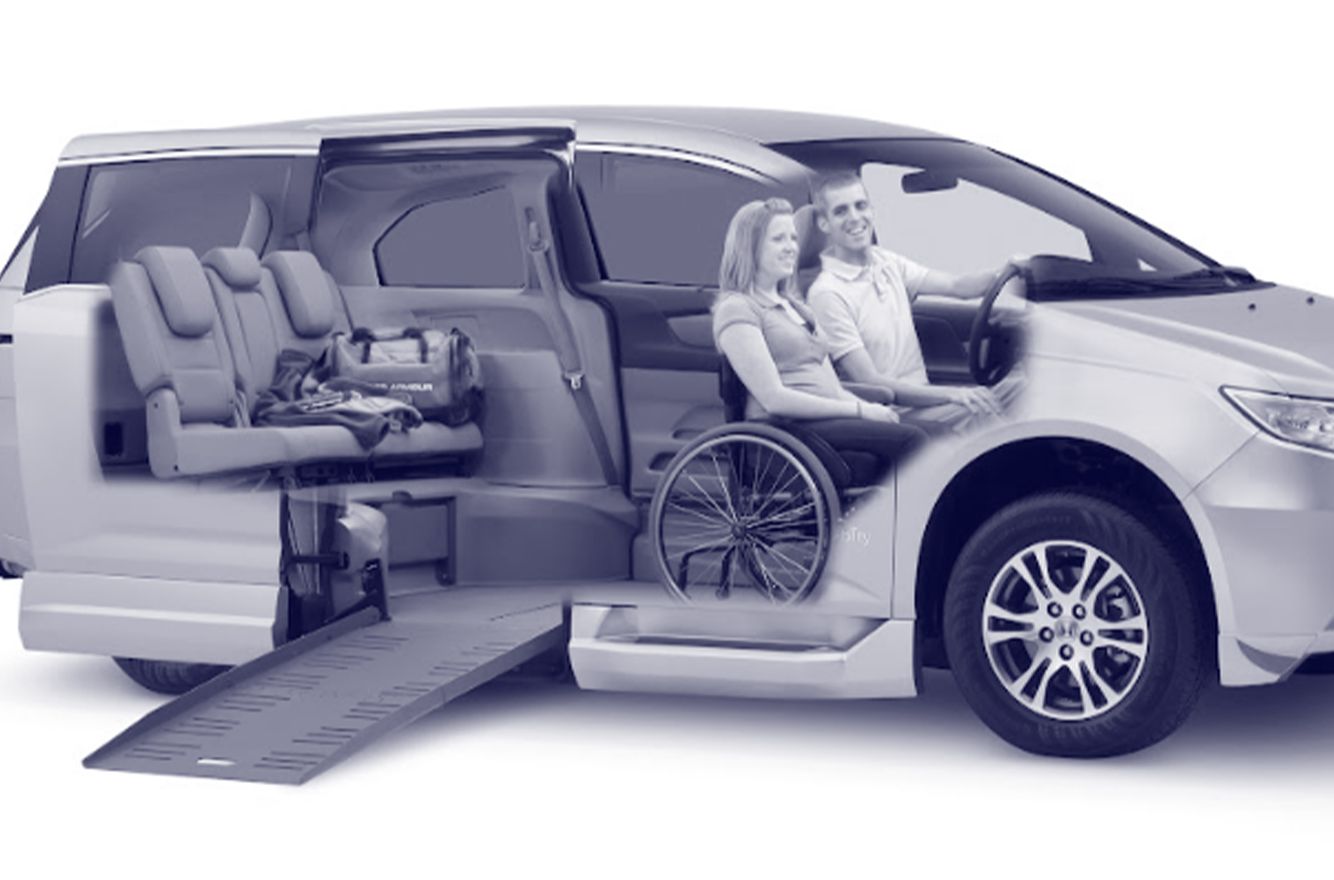
Accessibility Features and Vehicle Modifications for Travelers with Disabilities
Let’s be honest: the open road should be open to everyone. But for travelers with disabilities, a simple trip can feel like an obstacle course. It doesn’t have to. The world of accessible travel is evolving—fast. And a huge part of that is the vehicle itself. It’s not just about getting from A to B; it’s about freedom, spontaneity, and the pure joy of the journey.
Here’s the deal: whether you’re looking at a new car’s built-in features or considering major modifications, knowing your options is the first step to reclaiming that freedom. Let’s dive in.
Built-In Accessibility: What’s Coming Standard?
You might be surprised. Car manufacturers are finally paying attention. We’re seeing more thoughtful design that benefits a wider range of people—what’s often called “universal design.” These features are a great starting point.
Low-Effort Entry and Exit
This is a big one. Lower door sills, wider door openings, and seats that are the right height make a world of difference. Some SUVs and minivans now offer “kneeling” air suspension that lowers the entire vehicle a few inches for easier access. It’s a game-changer.
Hands-Free and Voice-Activated Everything
Honestly, voice tech isn’t just a fancy gimmick anymore. For drivers with limited mobility, being able to adjust climate control, navigate, or make a call without lifting a finger is a major safety and convenience boost. Systems like Android Auto and Apple CarPlay are leading the charge here.
Adaptable Controls and Displays
Steering wheel-mounted controls for audio and cruise control. Configurable digital dashboards with larger fonts. Even adjustable pedal boxes that move closer to the driver. These small tweaks can make standard vehicles usable for many without jumping straight to major mods.
Common Vehicle Modifications: Tailoring Your Ride
When built-in features aren’t enough, that’s where qualified mobility equipment dealers (QMVs) come in. These specialists transform vehicles into personalized tools for independence. Here are the most common modifications.
Hand Controls
The classic and most well-known mod. They allow you to accelerate and brake using a lever or push-pull mechanism near the steering wheel. Modern versions are incredibly smooth and intuitive—think of them as an extension of your arm.
Wheelchair Lifts and Ramps
This is about getting you and your chair securely in the vehicle. You’ve got options:
- Side-entry lifts: Common in minivans, they fold out and lower to ground level.
- Rear-entry lifts: Often used in trucks and full-size vans, they provide more interior space.
- In-floor ramps: These are slick. They deploy from a channel in the vehicle floor, creating a smooth, low-angle ramp. No lifting mechanism to maintain, just a simple, sturdy incline.
Lowered Floors & Raised Roofs
To create that crucial interior headroom for a seated driver or passenger, the vehicle’s floor is dropped or the roof is raised. Sometimes both. It’s a significant structural change, but the result is a spacious, comfortable cabin where you can move without constraint.
Choosing Your Path: New, Used, or Retrofit?
This is the practical heart of the matter. What’s the best route for you? Each has its own… let’s call it personality.
| Option | The Upside | The Consideration |
| New Vehicle + Mods | Latest safety tech, full warranty (on vehicle, check mods), peace of mind. | Highest upfront cost. You need to ensure the base model is compatible with planned mods. |
| Used Vehicle + Mods | More budget-friendly. A well-maintained used van can be a fantastic platform. | Potential for hidden repair costs. Warranty on modifications may be limited. |
| Pre-modified Used Vehicle | Often the fastest, most turnkey solution. No waiting for installation. | You must love the existing mods. Have it inspected thoroughly by a QMV. |
My two cents? Always, always work with a certified mobility dealer. They’ll help you navigate compatibility—not every vehicle takes every modification well—and they understand the complex web of funding and regulations.
Funding and Resources: It’s Not All On You
Okay, deep breath. The cost can be daunting. But you’re not alone. There are avenues for help, though they require some paperwork patience.
- Veterans Affairs (VA): For eligible veterans, this is often the primary source for vehicle modification grants.
- State Vocational Rehabilitation Agencies: If your vehicle is essential for getting to work or job training, they may provide assistance.
- Non-Profit Organizations: Groups like the MS Society, United Spinal, or local charities sometimes offer grants or financial aid programs.
- Tax Deductions: Don’t forget! The IRS allows a medical expense deduction for the cost of disability modifications plus the difference between the price of a vehicle and its resale value after modification. Talk to a tax pro.
The Road Ahead: What’s Next in Accessible Travel?
We’re on the cusp of some pretty amazing stuff. Autonomous driving tech, while still developing, promises a future where the driving controls themselves become optional. More immediately, we’re seeing smartphone integration that lets you control doors, ramps, and climate before you even reach the car. The trend is clear: accessibility is moving from an afterthought to a core part of the design process.
So, where does that leave you? Maybe staring at a seemingly endless list of options and acronyms. That’s normal. The key is to start with the human element—your specific needs, your dreams for travel, the little daily trips that feel like hurdles. The technology, the modifications, the funding… they’re just tools to serve that.
The journey toward an accessible vehicle isn’t just about metal and motors. It’s about mapping a new route to your own independence. And that first turn of the key in a vehicle that truly fits you? Well, that’s a sound worth traveling for.