Ergonomic and Health-Focused Accessories for Long-Distance Commuters
Let’s be honest: the long-distance commute can be a grind. It’s not just the time—it’s the toll on your body. That hour (or more) each way, hunched over a steering wheel or crammed into a train seat, isn’t just boring. It’s a slow, steady recipe for aches, stiffness, and frankly, a lousy mood by the time you clock in or get home.
But here’s the deal. Your commute doesn’t have to be a passive health hazard. With a few smart, ergonomic accessories, you can transform that dead time into an opportunity for… well, not misery. Think of it as building a mobile wellness pod. A sanctuary on wheels or rails. Let’s dive into the gear that actually makes a difference.
Your Foundation: Support Where You Sit
Everything starts from the ground up—or rather, the seat up. If your back and hips are screaming, nothing else matters. So we’ve got to talk about lumbar support first.
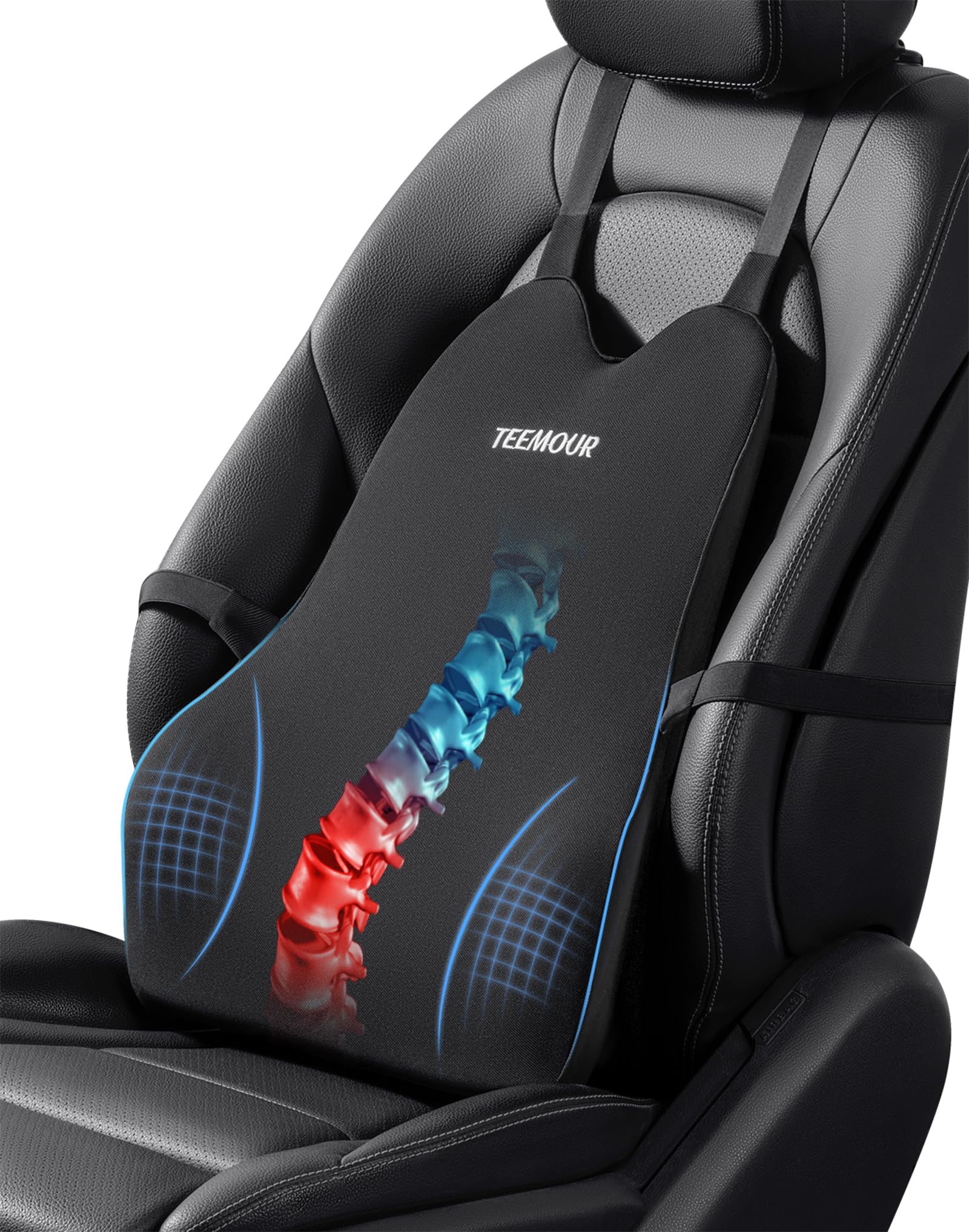
The Lumbar Support Cushion (A Non-Negotiable)
Most car and transit seats are designed for a mythical “average” person and offer terrible lower back support. A good lumbar cushion fills that crucial gap in the curve of your spine. It prevents that all-too-common slouch that leads to disc pressure and muscle fatigue.
Look for one that’s adjustable—memory foam is great because it conforms, but some have air bladders you can inflate to the perfect firmness. Honestly, this is the single best investment you can make. It’s like having a chiropractor riding shotgun.
Seat Cushions & Posture Wedges
For those on trains or buses, a portable seat cushion is a game-changer. It’s not just about comfort on hard plastic seats; it’s about positioning. A simple wedge cushion can tilt your pelvis slightly forward, promoting a natural spinal alignment without you even thinking about it. It subtly encourages you to sit on your sit bones, not slouch behind them.
Beyond the Back: Wrists, Neck, and Circulation
Okay, foundation set. Now for the other pain points. If you’re driving, your hands are locked on the wheel. If you’re a passenger, you’re probably on a device. Both scenarios spell trouble for wrists and neck.
Steering Wheel Covers & Wrist Rests
A thick, ergonomic steering wheel cover isn’t just for grip. It increases the diameter of the wheel, which reduces the strain of a tight grip. Less clenching means happier forearms and wrists. For the passenger or train commuter working on a laptop, a portable wrist rest is a must. It keeps your wrists in a neutral position, fighting off that tingling numbness of early carpal tunnel. You know the feeling.
Neck Pillows That Actually Work
Forget the bulky U-shaped travel pillows that push your head forward. Modern ergonomic neck pillows are designed for active support. Look for ones with a contoured design that cradles the head and supports the chin if you nod off, preventing that awful “head-snap” wake-up. Some even attach to your headrest for stability.
Combatting “Commuter’s Leg”
Sitting for prolonged periods is brutal for circulation. It’s a real health risk, honestly. Simple solutions are best here:
- Portable Footrests: A small, collapsible footrest under your desk improves posture. In the car? Adjust your seat so your knees are slightly lower than your hips—a rolled-up jacket in the footwell can work in a pinch.
- Compression Socks: Not just for grandmas and marathoners. They gently squeeze legs to help blood flow upward, reducing swelling and fatigue. A total game-changer for that end-of-commute heavy-leg feeling.
The Sensory Environment: Light, Sound, and Air
Health isn’t just physical. The stress of traffic, harsh lighting, and stuffy air takes a mental toll that manifests physically. Here’s how to curate your commute environment.
Blue Light & Glare Management
Staring at screens or into oncoming headlights? Blue light exposure messes with your circadian rhythm. For drivers, quality polarized sunglasses reduce glare and eye strain dramatically. For passengers, blue light filtering glasses for your tablet or laptop can prevent that post-commute headache and help you sleep better later.
Noise Control for Focus and Calm
Constant traffic noise is a stressor. Noise-cancelling headphones or even quality earplugs can lower your cortisol levels. Listen to an audiobook, a calming podcast, or just… silence. It transforms a chaotic environment into a controlled, peaceful one.
Air Quality Upgrades
Car cabin air can be full of pollutants. A compact, plug-in (or USB) HEPA air purifier for your car can filter out particulates, allergens, and even odors. For many, it means less sinus irritation and clearer breathing—especially in heavy traffic. A simpler hack? Keep a small essential oil inhaler with peppermint or eucalyptus for a quick, clarifying sniff.
Movement & Micro-Adjustments
You can’t do yoga while driving, sure. But you can integrate micro-movements. The goal is to avoid static, frozen postures.
Set a reminder on your phone: every 20-30 minutes, shift your weight. Roll your shoulders. Gently tilt your neck from side to side. If you’re stopped in traffic, press the sole of your foot into the floorboard to engage your calf muscle—a simple pump for your veins. For train commuters, just standing up for one stop and sitting back down makes a world of difference.
Consider keeping a small spiky massage ball or a hand therapy putty in your bag. Use it at a red light or on the train to work out tension in your hands and forearms.
Putting It All Together: A Sample Commuter Kit
It can feel overwhelming. So, let’s simplify. Think in layers of need. Here’s a practical, prioritized table for different types of long-distance commuters:
| Priority | Car Commuter | Train/Bus Commuter |
| Essential (Tier 1) | Lumbar support cushion, polarized sunglasses, water bottle. | Portable seat cushion (or wedge), noise-cancelling headphones, wrist rest. |
| Highly Recommended (Tier 2) | Steering wheel cover, compact air purifier, compression socks. | Ergonomic neck pillow, blue light glasses, footrest, therapy putty. |
| Next-Level (Tier 3) | Adjustable seat heater/massager, posture-correcting wearable. | Portable desk setup with adjustable stand, heated vest for drafty trains. |
You don’t need everything at once. Start with one item from Tier 1 that addresses your biggest pain point. See how it feels.
The Real Takeaway: Reclaiming Your Time
In the end, this isn’t about buying gadgets. It’s about a shift in perspective. Your commute is a significant chunk of your life. Investing in ergonomic and health-focused accessories is, in fact, an investment in your daily well-being and long-term vitality. It’s a statement that you value yourself enough to make that transitional space—between home and work—less of a battleground and more of a buffer.
You might just find that arriving less frazzled, less achy, and more clear-headed is the best productivity hack—and personal wellness ritual—you ever adopt. The road or rails will always be there. But how you choose to travel them? That’s entirely up to you.