The DIY Guide to Upgrading Classic Car Electrical Systems for Modern Reliability
Let’s be honest. The electrical system in your classic car is probably its weakest link. That charming, original wiring harness? It’s not just charming—it’s likely brittle, cracked, and a fire hazard waiting for the wrong moment. And the generator? It struggles to keep up if you’ve added any modern accessories at all.
Here’s the deal: you don’t have to live with dim lights, a temperamental ignition, and the constant fear of being stranded. Upgrading to modern reliability is one of the best investments you can make for your classic. It preserves the soul of the car while ditching the anxiety. This guide will walk you through the why and the how, in a way that’s actually doable in your own garage.
Why Bother? The Case for an Electrical Overhaul
Sure, you could just patch that one bad wire and call it a day. But that’s like putting a band-aid on a rusty fender. A full, thoughtful upgrade solves the root problems. Think of it as giving your car’s nervous system a complete transplant. The benefits are immediate and profound.
First, safety. Old wiring insulation dries out and cracks, leading to shorts and, frankly, scary electrical fires. Modern cross-linked polyethylene (XLPE) or similar insulation is far more durable and heat-resistant. Second, consistency. Modern components deliver stable voltage. That means brighter, steadier lights, predictable starting, and happy electronics. Finally, capacity. You want to add a Bluetooth stereo, USB ports, or maybe even electric fans? An upgraded system can handle it without breaking a sweat.
Core Upgrades: The Foundation of Reliability
1. Ditch the Generator for an Alternator
This is upgrade number one for a reason. Generators are great at producing electricity… but only at higher RPMs. Idle at a stoplight with the headlights on? You’re draining the battery. A modern one-wire alternator, on the other hand, charges efficiently at idle and puts out more consistent amperage. Installation is often surprisingly straightforward, with conversion brackets available for most classic engines.
2. The Heart of the Matter: A New Wiring Harness
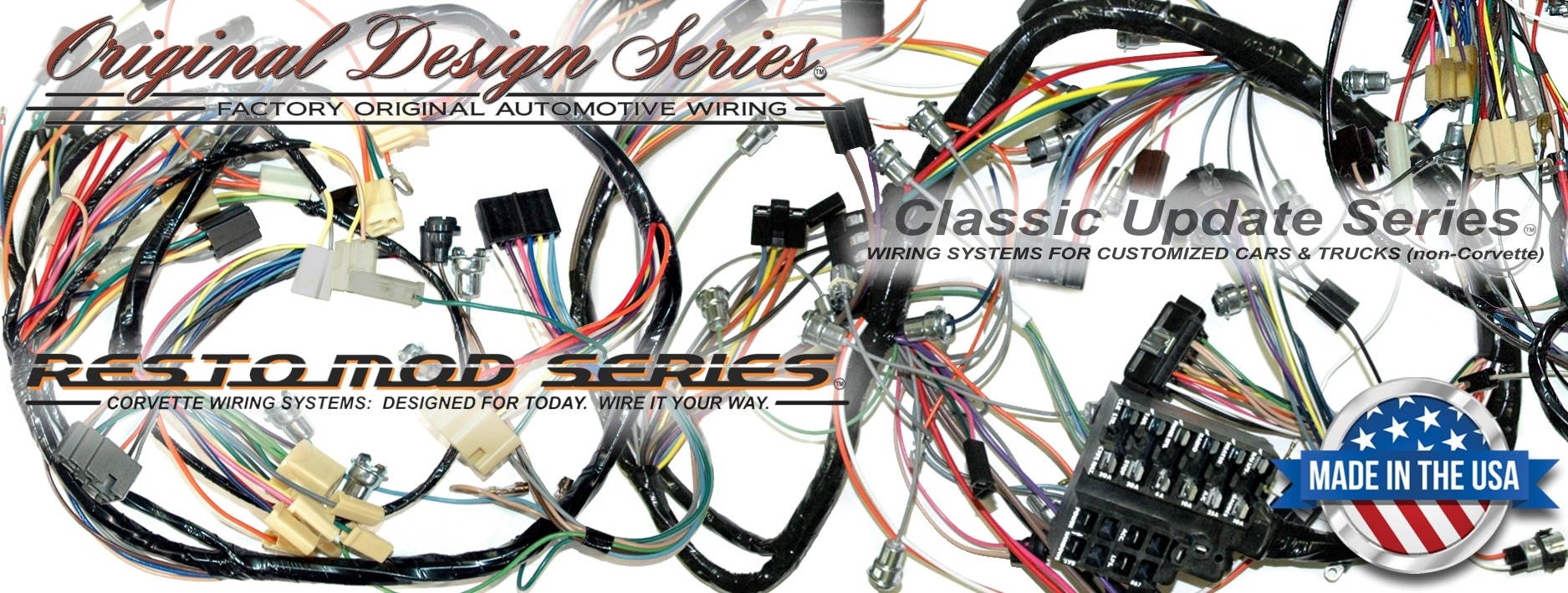
Replacing the entire harness sounds daunting, I know. But modern reproduction harnesses are a revelation. They’re typically color-coded to match the original diagrams (a huge help), use modern materials, and come with clear instructions. Companies make painless wiring kits—a term that’s not just marketing—that are generic but brilliantly designed for customization. It’s a weekend project that pays off for decades.
3. Fuse Box & Relay Revolution
Original fuse panels often had just a handful of circuits, with some unfused lines (yikes!). A modern blade-fuse panel with 12 or more circuits is a game-changer. More importantly, integrate relays. A relay uses a small switch current to control a big current—like for headlights or the fuel pump. This takes the load off your old switches, delivers full power to the accessory, and makes everything last longer. It’s a pro move that’s totally DIY.
The Modern Upgrades: Beyond the Basics
Once the foundation is solid, you can add components that truly bridge the classic-modern gap. These aren’t just luxuries; they’re serious reliability enhancers.
Electronic Ignition: Points and condensers need constant adjustment. A pointless electronic ignition module, whether it’s a drop-in distributor or a modern system, gives you a hotter, more consistent spark. Starts are instant, and you’ll never adjust points again.
Solid-State Voltage Regulator: If you stick with an external regulator, replace the old electromechanical unit with a solid-state one. It’s sealed, has no moving parts to wear out, and regulates voltage more precisely, protecting your battery and new components.
Headlight Relay Harness: This is a single, focused upgrade with massive impact. It uses relays to send power directly from the battery to your headlights, using the original switch just as a trigger. The result? Headlights that are often twice as bright, just by eliminating voltage drop through fifty-year-old wiring and switches.
Planning & Executing Your Project
Don’t just start ripping wires out. A little planning makes this smooth. First, get the factory wiring diagram for your car. It’s your roadmap. Then, map out what you have and what you want. Create a simple circuit list.
| Circuit | Accessory | Fuse (Amps) | Relay? |
| 1 | Headlights (Low) | 15 | Yes |
| 2 | Headlights (High) | 15 | Yes |
| 3 | Fuel Pump | 20 | Yes |
| 4 | Radio / USB | 10 | No |
| 5 | Wipers | 20 | No |
Invest in the right tools: a quality wire stripper/crimper, a soldering iron and heat-shrink tubing for permanent connections, and a multimeter. Label every wire you disconnect—even if you think you’ll remember. You won’t. Work on one circuit at a time, from power source to ground, testing as you go. This methodical approach prevents the infamous “rat’s nest” and makes troubleshooting simple.
Common Pitfalls to Sidestep
Even with a plan, you can hit snags. Here’s how to avoid the big ones:
- Neglecting the Grounds: The electrical circuit needs a path back to the battery. Clean, bare-metal ground connections are critical. Create dedicated ground points, sanding down to bare metal, and use star washers. A bad ground causes more weird electrical gremlins than anything else.
- Under-sizing Wire: Too small a wire gauge causes resistance, heat, and voltage drop. Use a wire gauge chart. For example, a high-amp draw like an electric fan needs 10- or 12-gauge wire, not the 16-gauge you might have handy.
- Forgetting Circuit Protection: Every new circuit needs a fuse or circuit breaker located as close to the power source as possible. This protects the wire, not just the component.
And one more thing—resist the urge to use those cheap, plastic twist-on wire connectors. They vibrate loose and corrode. Crimp connectors with heat-shrink, or solder, for connections that’ll last as long as the car.
The Final Connection: Enjoying the Journey
Look, this project isn’t just about avoiding failure. It’s about confidence. It’s about turning the key and knowing—not hoping—that the engine will fire. It’s about driving at night and actually seeing the road. It’s about adding that accessory you want without a nagging worry.
Upgrading your classic car’s electrical system is a deep kind of preservation. You’re not erasing its character; you’re ensuring its story continues, reliably, for all the miles and adventures to come. The hum of a modern fuel pump, the crisp click of a relay, the steady glow of a voltmeter… these become the new, dependable heartbeat of your old classic. And that’s a sound you can truly enjoy.