Financial Planning for Auto Loans Alongside Other Major Life Expenses (Home, Wedding, Education)
Let’s be honest. Life doesn’t hand you one big bill at a time. It’s more like a chaotic, wonderful juggling act. Just as you’re saving for a house, your car gives up the ghost. Or your dream wedding timeline collides with the start of student loan payments. It’s a lot.
Financial planning for an auto loan while navigating other major expenses—like a home, wedding, or education—isn’t about finding a magic formula. It’s about strategy, priorities, and a good dose of reality. Here’s how to keep all those plates spinning without watching them crash.
The Great Balancing Act: Why Order and Timing Matter
You can’t tackle everything at once with equal force. That’s a sure path to burnout and thin financial spreadsheets. The sequence in which you approach these big-ticket items is, well, everything. It impacts your credit score, your debt-to-income ratio (DTI), and your peace of mind.
Think of it like building a house. You need a solid foundation first. For most people, that foundation is credit health and a stable DTI. Major lenders—especially mortgage lenders—look at these numbers with a microscope. A large auto loan payment can dramatically increase your DTI, potentially reducing the home loan amount you qualify for. It can feel like putting the cart before the horse, literally.
The Mortgage vs. Auto Loan Conundrum
This is the big one. If homeownership is your nearest goal, you need to be strategic about a car purchase.
- Priority: Mortgage First. If you’re within 6-12 months of applying for a mortgage, seriously consider postponing a new auto loan. A new loan will cause a hard inquiry on your credit and add a substantial monthly obligation.
- The 20/3/8 Rule as a Guideline. Not a law, but a useful filter. Put at least 20% down on the car, finance for no more than 3 years, and ensure the monthly payment is no more than 8% of your gross income. This discipline keeps your DTI in check for the home loan.
- Consider “Bridge” Transportation. If your current car is dying, could a reliable used car or even a short-term lease get you to the closing table on your home? It’s a temporary sacrifice for a long-term gain.
Wedding Bells and Car Notes
Weddings are emotional investments; cars are practical ones. Blending the two requires a budget that acknowledges both.
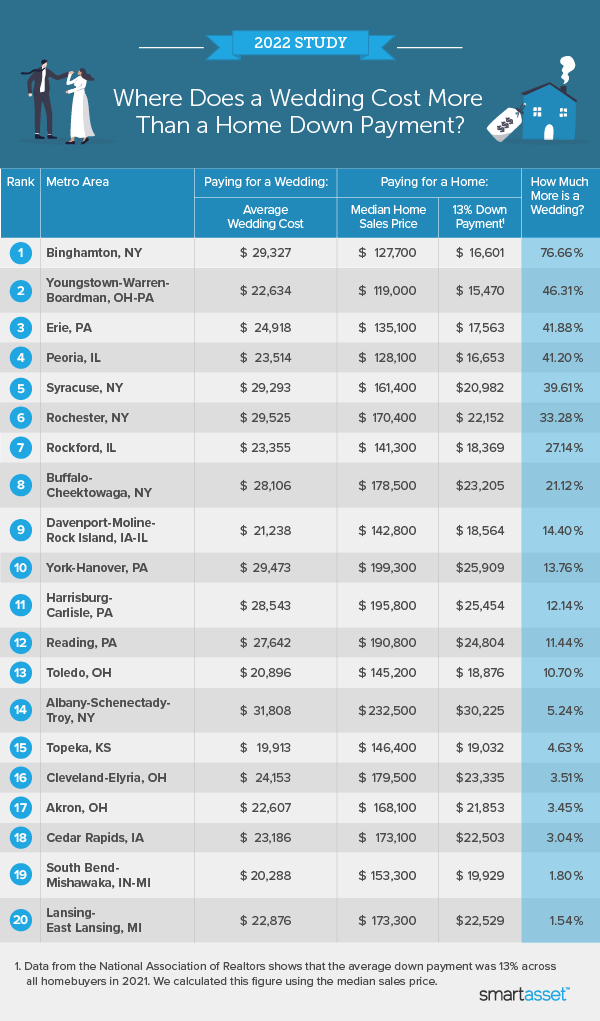
Start with a total, realistic budget for the wedding. Then, work backwards. If you need a new car, factor that payment in from the start. The pain point here is often underestimating wedding costs—which, you know, have a way of ballooning. A car payment can limit your flexibility when the florist goes over estimate or you decide you absolutely must have that photo booth.
One tactic? Open a separate savings account for the wedding and one for the car down payment. Automate contributions. Seeing them grow separately makes it harder to raid one fund for the other.
Education Financing in the Mix
Whether it’s your loans or your child’s, education debt is often long-term and non-negotiable. Adding a car loan on top of that is a significant weight.
- Know Your Student Loan Payment. If you’re on an income-driven plan, know what that future payment looks like. If you have private loans, the payment is fixed. Use the actual future payment, not an estimate, in your DTI calculation.
- Explore Lower-Cost Car Options. This is where being practical pays off. A dependable used car can free up hundreds per month that can be directed toward student loan payments. That’s a huge deal over time.
- Timing with Grace Periods. If you’re graduating, you typically have a six-month grace period before payments start. Use that window to assess your full financial picture before taking on a new auto loan.
Practical Tools for Juggling It All
Okay, so theory is great. But what does this look like on a spreadsheet? Let’s get tactical.
| Expense | Key Consideration | Pro-Tip for Integration |
| Home (Mortgage) | Debt-to-Income Ratio (DTI) | Secure mortgage pre-approval BEFORE a major auto loan to see your true budget. |
| Auto Loan | Loan Term & Interest Rate | Opt for the shortest term you can afford. A 60-month loan hurts your DTI longer. |
| Wedding | Cash Flow & Savings Rate | Treat the car payment as a fixed line item in your wedding savings budget. |
| Education | Long-Term Debt Load | Total all minimum monthly debt payments. Keep them under 36% of gross income. |
Beyond the table, a few more human truths:
- Embrace the “And” Mindset. You can save for a house and a car. But not at the same speed. You might save for the house aggressively and for the car minimally, then switch gears after the home closes.
- Get Pre-Approved, Not Just Pre-Qualified. For a mortgage, this is gold. It gives you a concrete spending number. Then, with that number in hand, you can see exactly what room—if any—you have for a car payment without jeopardizing your home goal.
- Talk to a Pro, Seriously. A fee-only financial planner can run scenarios you haven’t even thought of. One hour of their time could save you tens of thousands in missteps.
The Mindset Shift: From Competing Goals to an Integrated Plan
This isn’t just math. It’s about the life you’re trying to build. A car gets you to work. A home gives you roots. An education opens doors. A wedding celebrates love. They’re not enemies; they’re pieces of the same puzzle.
The real trick is to stop seeing them in isolated silos. Your financial plan is one ecosystem. A decision in one area ripples out to all the others. That new car’s payment isn’t just a transportation cost—it’s also a little less for your wedding venue, or a slightly smaller emergency fund, or a few more years on your student loan.
So, maybe the question isn’t “Can I afford this car payment?” but rather, “What does affording this car payment cost me in my other life goals?” Answer that honestly, and the path forward gets a lot clearer. You make a choice, not a compromise. And that feels entirely different.