The Hidden Language of Your Car: The Psychology of Color and How We Personalize
Think about the last parking lot you walked through. It’s a sea of metal, sure, but it’s also a silent gallery of personal statements. That gleaming red coupe shouts. The matte black SUV broods. The pastel mint vintage model whispers nostalgia. Our choice of car color is rarely just an aesthetic flip of a coin—it’s a deeply psychological decision, a non-verbal cue broadcast to the world. And today, personalization trends are taking that statement to a whole new level. Let’s dive into what our colors say about us and why we’re increasingly screaming for something unique.
More Than Just a Pretty Paint Job: The Psychology Behind Hues
You know that feeling when you see a specific color and it just… hits you? That’s no accident. Color psychology isn’t pseudoscience; it’s the study of how wavelengths of light influence human behavior and emotion. And when we apply it to a major purchase like a car, the stakes feel oddly personal.
The Classic Color Codes
Certain colors have built-in reputations, for better or worse:
- White, Black, Silver, Gray: The “safe” spectrum. Often linked to professionalism, neutrality, and sophistication. They’re massively popular for a reason—they resell well and don’t offend. But dig deeper. Black can signal power and luxury (think limousines), but also a desire for authority. White suggests cleanliness and modernity, a blank slate. Gray? Maybe practical, maybe a bit… indecisive.
- Blue: The world’s favorite car color for years running. It projects trust, stability, and calm. It’s dependable but not boring. A navy blue says “serious and capable,” while a bright electric blue screams individuality and tech-savvy energy.
- Red: Ah, the classic. It’s the color of speed, passion, and danger. Studies have shown it can actually increase heart rate. Choosing a red car often signals confidence, extroversion, and a desire to be seen. (And yes, the old myth about red cars getting more tickets is just that—a myth, mostly tied to visibility and driver behavior, not the color itself).
- Green: Once unpopular, it’s making a comeback with eco-conscious trends. It signifies harmony, growth, and a connection to nature. A dark British racing green oozes traditional luxury, while a sharp lime green is pure, unadulterated fun.
- Yellow & Orange: The extroverts of the palette. These colors shout optimism, creativity, and a blatant refusal to blend in. They’re rare on the road precisely because they make such a bold personal statement.
But here’s the twist: our personal associations matter more than any universal rule. A person might choose a sunny yellow car not to be loud, but because it reminds them of a beloved childhood toy. The psychology is deeply individual.
The Rise of “Not-Your-Neighbor’s-Car”: Modern Personalization Trends
Here’s the deal: for decades, car buying was about conformity. You picked from a handful of factory colors. Today, it’s about car customization and personal expression. The vehicle has become a mobile canvas, a direct extension of our digital personas where uniqueness is currency.
Current Trends Driving Change
So what’s hot right now in the world of auto aesthetics?
- Matte and Satin Finishes: Gloss is classic, but matte is modern. These flat, non-reflective finishes look tech-forward, stealthy, and incredibly expensive. They scream deliberate choice—because they require more maintenance, you simply don’t end up with one by accident.
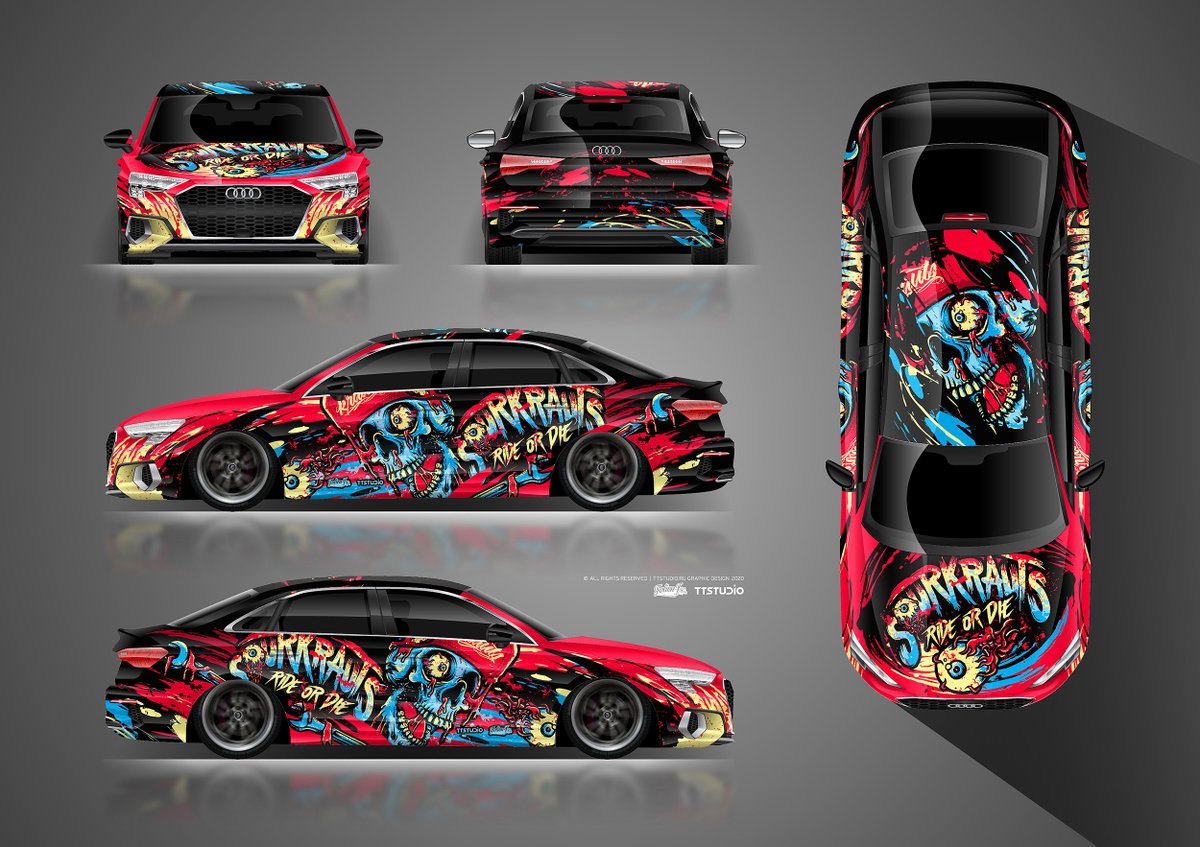
- Chameleon Wraps & Color-Shift Films: Why choose one color when you can have three? These vinyl wraps change hue depending on the light and angle. It’s the ultimate in dynamic personalization, a literal reflection of a driver who defies static labels.
- Heritage and Retro Palettes: From pastel shades on electric vehicles (a brilliant ironic twist) to classic two-tone schemes, nostalgia is a powerful trend. It connects the driver to an idealized past, signaling taste and story over raw speed.
- Accent and Detail Customization: It’s not just the whole car. Colored brake calipers, custom wheel finishes, and interior ambient lighting that you can tweak from an app allow for micro-expressions of style. It’s like accessorizing an outfit.
Why This Shift? The Digital Self Meets the Physical World
Frankly, we’re used to personalizing everything. Our phone cases, our social media profiles, our game avatars. The car was a glaring holdout. The rise of vehicle color influence from social media—Instagram car spots, TikTok wrap reveals—has turned auto aesthetics into shareable content. Your car isn’t just for driving; it’s for posting.
Plus, the practical barriers have fallen. High-quality vinyl wraps offer a temporary, less-commitment path to a wild color without the permanent hit on resale value. It’s democratized daring.
Choosing Your Color: A Quick, Practical Guide
Okay, so you’re in the market. How do you navigate the psychological and practical maze? Ask yourself these questions:
- What’s my daily environment? A bright color might be a joyful rebellion in a grey urban jungle. In the suburbs, maybe it’s about standing out from the sea of white crossovers.
- What does maintenance look like? Black shows every swirl and scratch. White hides dust better but can show dirt. Matte finishes need special care. Be honest with your willingness to clean.
- What’s the emotional payload? Don’t overthink it, but do a gut check. Which color makes you look back at it after you park? That’s the one.
| Color Family | Common Perceptions | Practical Note |
| Neutrals (White, Black, etc.) | Safe, sophisticated, high-resale | Show dirt/scratches easily (Black), easier to keep looking clean (White) |
| Blue | Trustworthy, calm, popular | Generally low-maintenance, high appeal |
| Red | Energetic, confident, noticeable | No proven link to higher insurance, but fades faster in sun if not cared for |
| Green/Yellow/Orange | Unique, creative, individualistic | Can impact resale value (smaller buyer pool), highest “joy” factor |
The Final Coat
In the end, the psychology of car color choice is a conversation between the self and the society. It’s about how we see ourselves and how we wish to be seen in a fleeting moment on the highway. The trend toward radical personalization—the wraps, the finishes, the details—tells a simple, human truth: we crave identity in a mass-produced world.
Our cars have become one of the last, great physical tokens of personal expression in an increasingly digital life. So the next time you pick a color, or spot a breathtakingly customized ride, remember: you’re not just looking at paint. You’re reading a story.