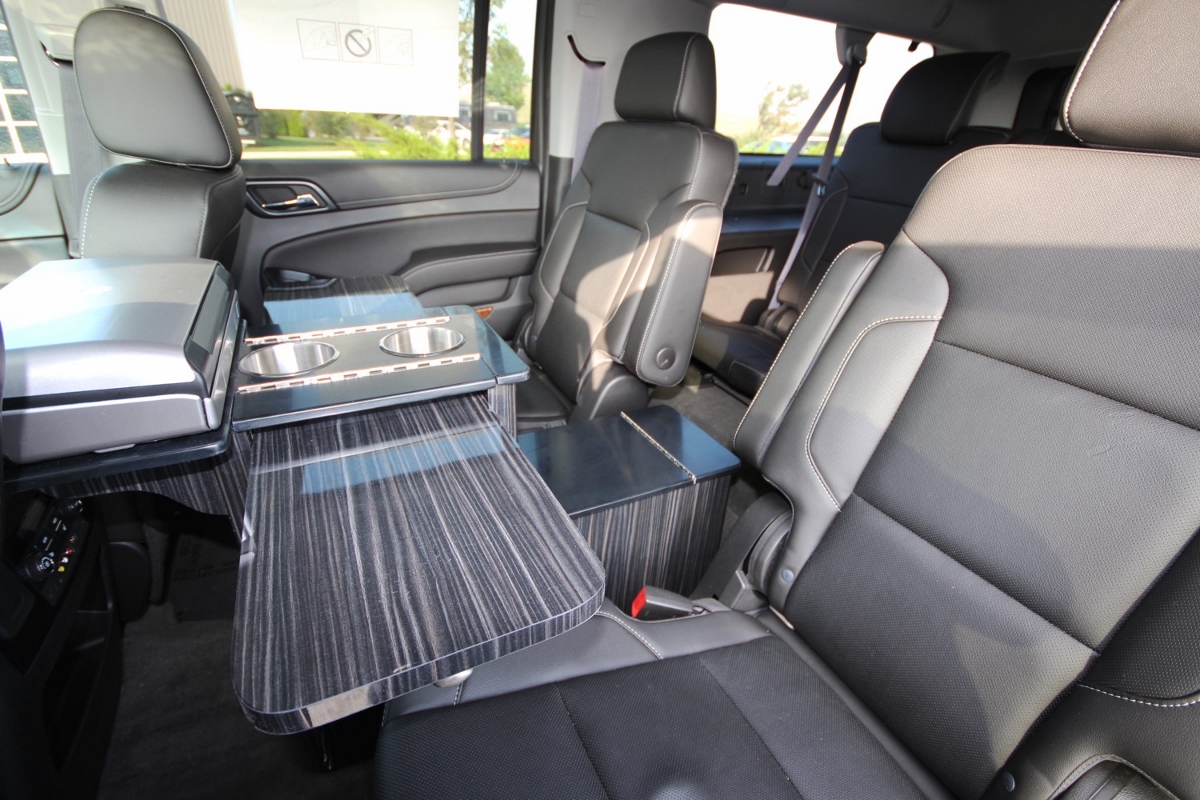
Digital Nomad Vehicle Setup for Remote Work: Your Office on the Open Road
Let’s be honest. The dream of working from a beach is alluring, but the reality often involves sun glare on your laptop and sand in your keyboard. For a growing number of remote workers, the ultimate freedom isn’t a static Airbnb—it’s a vehicle. A true mobile command center that lets you chase the weather, wake up to new views, and truly work from anywhere.
But transforming a car, van, or SUV into a productive remote work hub? That’s a whole different beast. It’s not just about having a laptop. It’s about engineering a space that is reliable, comfortable, and efficient. Let’s dive into how you can build a digital nomad vehicle setup that actually works.
The Foundation: Powering Your Professional Life
Before you even think about ergonomics, you need to solve the power problem. A dead laptop battery means a dead workday. It’s the single most critical system in your mobile office.
Your Power Options, Decoded
Here’s the deal with keeping your gear alive:
- Power Inverter: The classic. Plugs into your 12V cigarette lighter (for smaller devices) or directly to your battery (for heavier draws). It converts DC power from your car to AC power for your laptop charger. Simple, but running your engine to charge things is… inefficient, to say the least.
- Portable Power Station: This is the game-changer. Think of it as a giant, silent, gas-free battery bank. You pre-charge it at a library, coffee shop, or campground, and it runs your laptop, monitor, and lights for hours. Brands like Jackery, EcoFlow, and Bluetti are popular for a reason. They’re clean, quiet, and incredibly versatile.
- Dedicated Auxiliary Battery System: The pro-level setup. This involves installing a second car battery (like a deep-cycle AGM or Lithium) with an isolator. It charges while you drive but doesn’t drain your starter battery, so you can work all night without worrying about a jump-start in the morning.
Honestly, for most people starting out, a quality portable power station is the sweet spot. It’s flexible, safe, and doesn’t require any complex installation.
Crafting Your Mobile Workspace: Ergonomics on the Go
Okay, you’ve got power. Now, where do you actually work? The passenger seat might seem fine for an hour, but for an 8-hour workday? Your back will stage a mutiny.
The Throne: Your Seat and Desk
You need a proper workstation. Here are a few ways to tackle it:
- The Front Seat Setup: Use a sturdy laptop tray or a platform that spans from the center console to the door. It’s quick and uses existing space.
- The Rear Seat Command Center: If you have a roomy back seat, you can create a more permanent desk. A simple piece of wood cut to fit across the seat bases can work wonders.
- The Cargo Area Conversion: In an SUV or van, this is prime real estate. Build a simple platform to create a flat, elevated floor. You can then use a folding camp chair and a small table for a surprisingly office-like feel.
The Little Things: Comfort & Focus
It’s the small touches that make a space workable. A lumbar support pillow. A clip-on USB fan for stuffy afternoons. A thermos of coffee that stays hot. And, crucially, window shades for privacy and to reduce glare on your screen—they’re a non-negotiable for video calls.
Staying Connected: Your Digital Lifeline
You can have all the power and comfort in the world, but without the internet, you’re just camping. A robust connectivity strategy is your lifeline.
- Smartphone Hotspot: The easiest option. But it can drain your phone battery and isn’t always the most reliable or fast.
- Dedicated Mobile Hotspot (MiFi): A much better solution. These devices often have better antennas and can connect to multiple devices without frying your phone. You can also get a data-only plan for them.
- Cell Phone Signal Booster: If you frequently work off the beaten path, this is your secret weapon. A booster with an external antenna can pull in a weak signal and amplify it dramatically inside your vehicle. It can be the difference between “No Service” and a crystal-clear Zoom call.
And here’s a pro-tip: always have a backup. Know which apps you can use in “offline” mode, and have a data plan from at least two different carriers if you can. One might be dead in an area where the other is strong.
Essential Gear for the Road Warrior
Beyond the big three—power, workspace, and internet—there’s a whole ecosystem of gear that makes life smoother. Think of it as packing for a business trip that never ends.
| Gear Category | Why You Need It | Examples |
|---|---|---|
| Organization | Chaos kills productivity. A small, cluttered space feels even smaller. | Magnetic mounts for cables, seat-back organizers, storage cubes, a trash can/bin. |
| Lighting | You can’t work in the dark. Overhead lights are often too harsh. | A rechargeable LED lantern, a small clip-on desk lamp, or dimmable string lights. |
| Tech Accessories | To boost both productivity and sanity. | Noise-cancelling headphones, a portable monitor, a laptop stand, a wireless mouse & keyboard. |
| Comfort & Living | You don’t just work here, you live here. | A good cooler, a camp stove, a comfortable sleeping setup, a portable toilet. |
Putting It All Together: A Sample Compact SUV Setup
Let’s make it concrete. Imagine you have a compact SUV like a Honda CR-V or a Subaru Forester. Here’s a potential layout:
- Power: A 500Wh portable power station, charged while driving or at a cafe. It runs your laptop, a small light, and charges your phone for a full workday.
- Workspace: The front passenger seat is pushed all the way forward. In the rear footwell behind it, you place a plastic storage bin as a base. A piece of plywood rests on the bin and the folded-down rear seat, creating a sturdy desk surface.
- Connectivity: A dedicated 5G MiFi device, with your phone as a backup. You use a signal checker app to park in areas with good coverage.
- Storage: A hanging organizer on the back of the driver’s seat holds notebooks, cables, and snacks. A duffel bag with clothes slides under your “desk.”
It’s not a fancy custom van build. It’s functional, affordable, and gets you on the road fast.
The Real Work is the Mindset
Sure, the gear is important. But the most crucial part of your digital nomad vehicle setup isn’t something you can buy. It’s the discipline to work when it’s time to work, and the wisdom to log off and enjoy the freedom you’ve created. It’s about finding that sweet spot in a rest stop with a stunning view, taking a deep breath, and realizing your office for the day is wherever you decided to park.
The open road is calling. But it doesn’t have to mean being offline. With a little planning and the right setup, your vehicle can become more than just transport—it can be the key to a life of genuine, productive adventure.